

Introduction:
Imagine waking up each day with a tight jaw that throbs like a drum. You try to chew your breakfast, but pain shoots through your face. For millions, this is the harsh reality of temporomandibular joint disorder, or TMD. It affects about 5 to 12 percent of adults in the U.S., often leading to endless doctor visits and frustration.
TMD disrupts daily life, from simple talks to full meals. But hope exists in a simple shot: Botox. This treatment eases jaw tension without surgery. In this guide, we explore how Botox for TMJ works. We’ll cover its science, benefits, and what to expect. If you’re tired of constant ache, read on for real insights.
What is TMD and Why Does It Cause Chronic Pain?
TMD hits the jaw joint and muscles hard. It stems from stress, injury, or habits like teeth grinding. Pain builds over time, turning minor issues into big problems.
Anatomy of the Temporomandibular Joint (TMJ)
The TMJ sits just in front of your ears. It links your lower jaw to the skull. This hinge lets you open wide for bites or yawns.
Key muscles aid this motion. The masseter clenches your jaw tight during chews. The temporalis lifts it up. These powerhouses work nonstop for eating and chatting. When they overdo it, trouble brews.
In TMD, these parts get out of sync. The joint’s disc may slip. Muscles swell from strain. This setup sparks pain cycles that won’t quit.
Common Symptoms and Limitations of Traditional Treatments
TMD shows up in many ways. You might hear clicks when you open your mouth. Your jaw could lock in place. Headaches pound from temple to neck. Facial pain flares with every bite.
Other signs include earaches without infection. Trouble chewing tough foods. Even stress amps up the grind at night. These limit fun activities like laughing or singing.
Standard fixes fall short for bad cases. NSAIDs cut swelling but don’t fix roots. Mouthguards shield teeth from grinding, yet muscle tension remains. Physical therapy builds strength, but relief fades fast. For severe TMD pain, you need more targeted help.
The Science Behind Muscle Overactivity in TMD
Muscles in TMD enter a bad loop. Tension from clenching builds pressure. This leads to bruxism, or grinding. Pain signals fire nonstop in your nerves.
Over time, this sensitizes the area. Small triggers cause big flares. It’s like a rubber band stretched too far—it snaps back harder. Stress hormones keep the cycle going.
That’s where muscle relaxers like Botox shine. They calm the overactivity at its source. By easing that pull, they break the pain chain.
How Botox Targets the Root Causes of TMJ Pain
Botox for TMJ pain shifts focus to muscles, not just symptoms. It relaxes overworked spots. This brings quick calm to your jaw.
Mechanism of Action: Neuromodulation Explained
Botox is botulinum toxin type A. It blocks a chemical called acetylcholine. This stops nerves from telling muscles to contract.
Think of it as hitting pause on a busy signal. Muscles weaken just enough to rest. Tension drops. Pain eases as the cycle breaks.
This effect is local. It targets only injected areas. Your whole body stays fine. Results build over days, not hours.
Identifying the Target Muscles for Injection
Doctors pick muscles based on your pain. The masseter, on your cheek, bulges from clenching. It’s a top spot for shots.
The temporalis, up by your temples, also gets hit. It pulls the jaw shut. Both hold the most strain in TMD.
Sometimes, other spots like the pterygoids join in. A pro maps these with touch and tests. Precision matters to avoid weak spots.
The Botox Treatment Process: What Patients Can Expect
First comes a chat with your doc. They check your jaw history and habits. A quick exam spots tight areas.
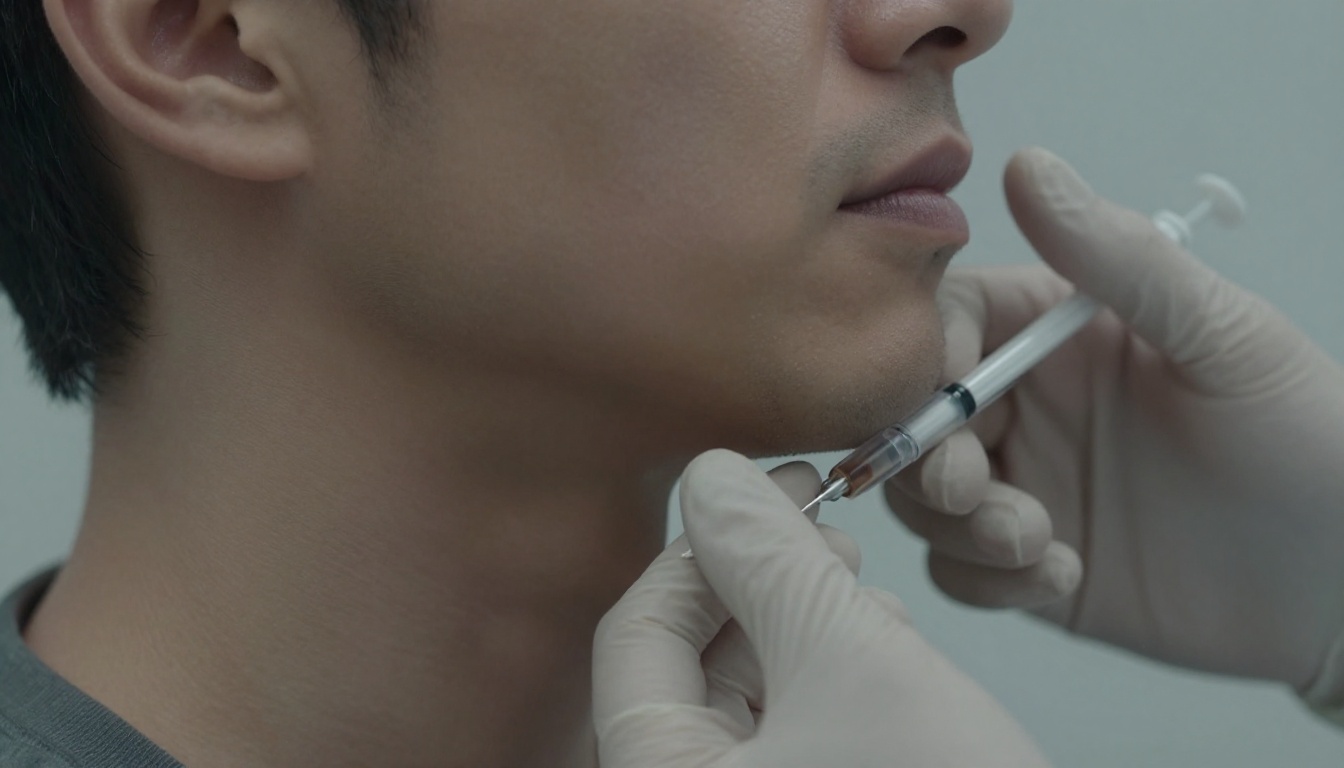
Next, they mark injection points. A fine needle delivers small doses. The whole thing takes 10 to 20 minutes. You feel a pinch, like a bug bite.
After ice helps any swell, skip hard chews for a day. Most head home right away. Follow-up checks progress in two weeks.
Efficacy and Longevity: Real-World Results with Botox for TMJ
Studies show Botox cuts TMJ pain well. Many report big drops in daily ache. It boosts jaw movement, too.
Clinical Evidence Supporting Botox for Jaw Pain
Research backs Botox for TMD. One review found pain scores fell by half in treated groups. Patients noted less clicking and better sleep.
Trials track visual analog scales, or VAS. These measure pain from 0 to 10. Botox users often drop three points or more. Function improves as the wider mouth opens.
Experts from the dental and neuro fields agree. It’s safe for muscle-based TMD. Results vary, but most see gains.
Duration of Relief and Retreatment Schedule
You notice changes in 3 to 7 days. Full effects hit by week two. Muscles soften. Pain fades step by step.
Relief lasts 3 to 4 months on average. Some get up to 6. Factors like dose and habits play a role.
Plan touch-ups every few months. Your doc adjusts based on the response. Steady care keeps benefits flowing.
Case Study Highlights: Successful Management of Severe Bruxism
Consider folks with heavy night grinding. Their jaws ache all day. Mouthguards help teeth, but muscles stay sore.
After Botox, tension eases. One scenario: a worker with desk stress grinds hard. Shots to the masseters cut pain by 70 percent. They chew more easily and sleep soundly.
Another type: athletes with jaw clenching from focus. Botox slims bulky muscles, too. Relief lets them train without flare-ups. These cases show Botox’s power for tough bruxism.
Comparing Botox to Other TMJ Interventions
Botox stands out for its direct hit on muscles. Other options protect or numb, but don’t relax like this.
Botox vs. Oral Appliances (Night Guards)
Night guards cover teeth to stop grinding damage. They cushion bites at night. But they don’t touch muscle pull.
Botox relaxes those muscles outright. Pain drops faster. Guards work well for mild cases or with Botox.
Use both for best results. Guards prevent wear. Botox handles the tension underneath.
Botox vs. Surgery and Long-Term Medications
Surgery fixes joint issues, like disc repairs. It’s a last resort with recovery time. Risks include scars and more pain.
Meds like relaxants help in the short term. But daily pills build tolerance. Side effects tire you out.
Botox bridges this gap. It’s quick with no cuts. It cuts med needs. For many, it delays or skips surgery.
Optimal Candidate Profile for Botox Therapy
Not everyone fits Botox for TMJ. Check these traits:
- Pain centers on the jaw muscles, not serious joint damage.
- You clench or grind often, confirmed by the doc.
- Standard treatments like therapy failed.
- No allergies to Botox or nerve issues.
- You’re okay with repeat visits for upkeep.
If this sounds like you, it’s worth a talk. X-rays rule out bone problems first.
Safety, Side Effects, and Finding a Qualified Provider
Botox is safe when done right. Most side effects pass quickly. Pick a skilled pro for the best odds.
Common and Temporary Side Effects
Bruising at shot sites happens. It fades in days. Some feel mild swelling.
Temporary weakness follows. Chewing steak might tire you out at first. This eases as muscles adjust.
Headaches can pop up rarely. They last short. Most folks report no big issues.
Rare but Serious Risks and Contraindications
An overdose weakens too much. Trouble swallowing could arise if doses stray. That’s why experts measure carefully.
Skip Botox if you have myasthenia gravis. Or allergies to its parts. Pregnant? Wait it out.
Infections stay rare with clean tools. Always share your full health history.
Actionable Tip: Vetting Your Injector for TMJ Expertise
Look for board-certified docs. Dentists or oral specialists with a TMD focus work best.
Ask about their Botox count for jaws. Over 100 cases show skill. Check reviews for TMJ wins.
They should know face maps deeply. Beyond wrinkles, it’s about function. A test consult reveals their know-how.
Conclusion: Reclaiming Function and Comfort
Botox for TMJ offers real hope. It targets muscle roots for lasting calm. Minimally invasive, it breaks pain loops without big risks.
You’ve seen how it works, from science to steps. Results impress for clenchers and grinders. It beats guards alone or endless pills.
If TMD steals your ease, see a specialist. Don’t let jaw pain rule. Get the relief you deserve—start that consult today.
Read more for visit this: Click Here