

In today’s world, the importance of maintaining good health has never been more evident, especially when it comes to avoiding germs that can lead to illness. With the constant exposure to various pathogens in our daily lives—from crowded public spaces to our own homes—it is crucial to adopt effective strategies to minimize the risks of infection. This ultimate guide to germ avoidance provides practical steps that anyone can implement to skip the germs and stay healthy. Whether you’re looking to enhance your hand hygiene, learn safe food handling practices, or create a germ-free environment, this comprehensive resource will equip you with the knowledge and tools necessary to protect yourself and your loved ones.
Understanding Germs: Types and Transmission
Common Types of Germs: Bacteria, Viruses, and Fungi
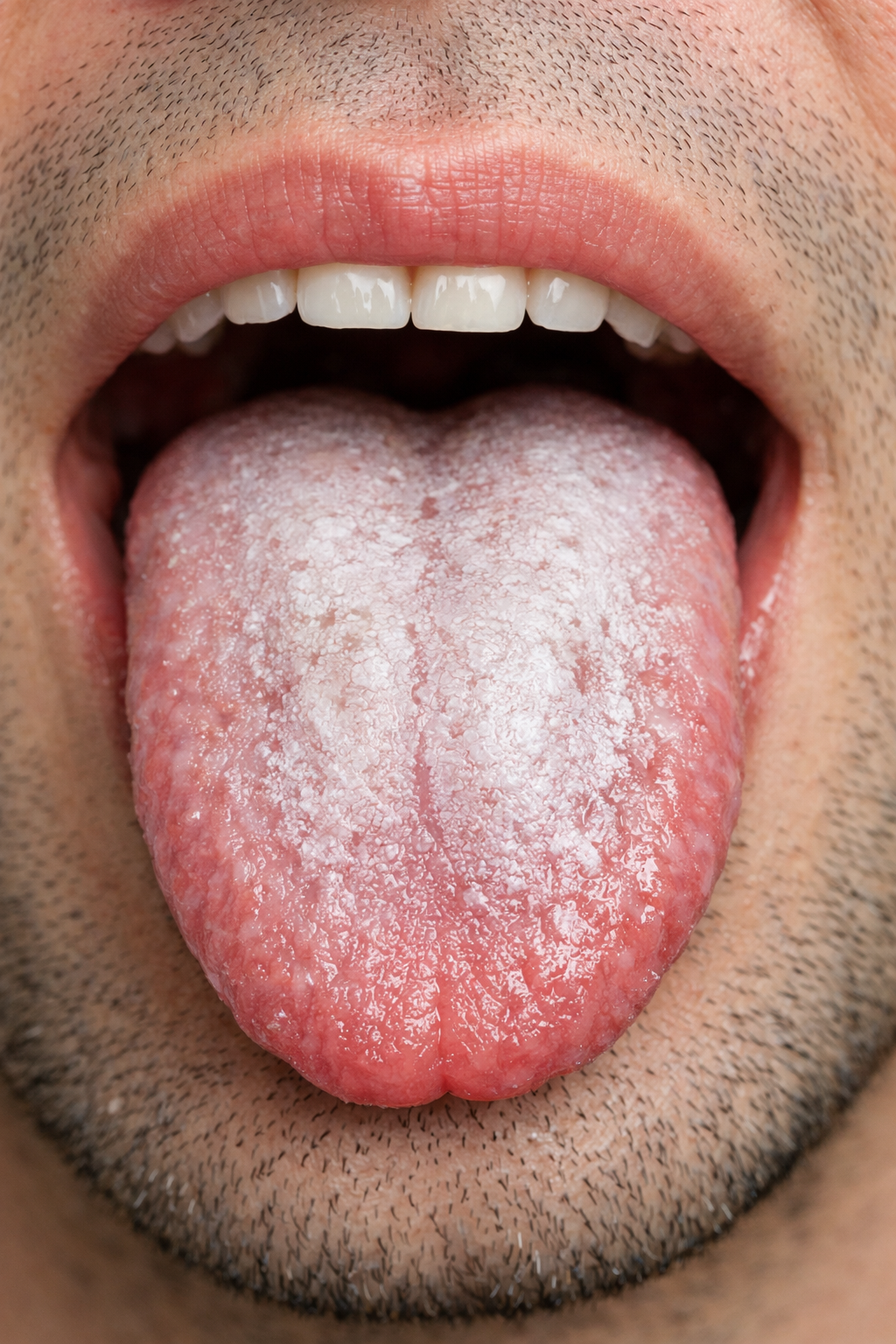
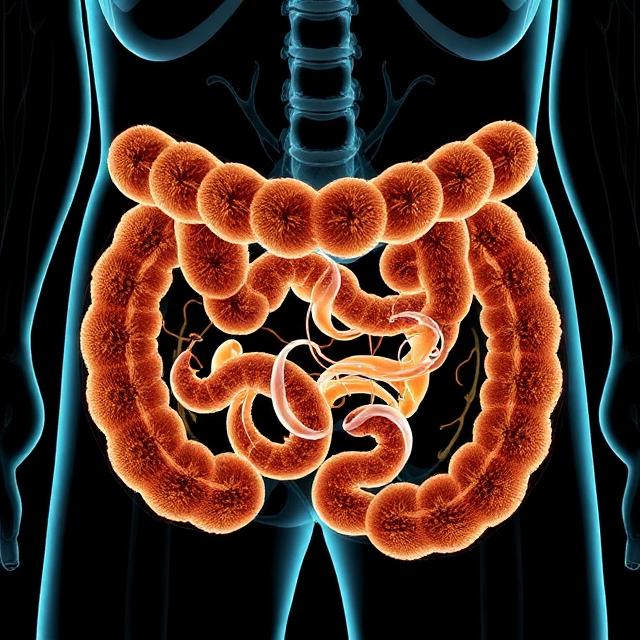
Germs come in many flavors, but the most prominent are bacteria, viruses, and fungi. Bacteria are single-celled organisms that can be both helpful—think of the friendly gut bacteria—and harmful, causing infections like strep throat. Viruses, on the other hand, are tiny invaders that can’t survive without a host, often making you feel like a walking sneeze factory when they strike. Lastly, fungi, which include molds and yeasts, can also cause infections, particularly in immunocompromised folks. So, whether they’re friendly or unfriendly, these germs are here to stay!
How Germs Spread: Direct and Indirect Transmission
Germs can be sneaky little devils, spreading through two main methods: direct and indirect transmission. Direct transmission occurs when you come face to face with germs—think handshakes or those moments when you breathe in someone else’s sneeze (yikes!). Indirect transmission, however, involves germ hitchhikers—those invisible villains lurking on surfaces, door handles, or your neighbor’s favorite bar stool. So, whether it’s a touch, a cough, or a shared water bottle, germ spread is happening all around us!
Recognizing High-Risk Environments
Some places are like germ festivals, and it pays to know where to avoid the crowds. High-risk environments include public transportation (hello, subway), crowded waiting rooms, and even your favorite local coffee shop during flu season. Gym equipment and playgrounds can also be germ hotspots. If it seems like a place where people gather and potentially breathe the same air, consider it a high-risk zone and arm yourself with extra hand sanitizer—or, you know, a protective bubble.
The Importance of Hand Hygiene
When to Wash Your Hands
If there’s one mantra to remember for germ avoidance, it’s “wash your hands” (yes, it’s a little more catchy than “stay away from the germs”). Always wash your hands after using the restroom, before eating, and after you cough or sneeze. If you’ve been petting a furry friend or have just returned from a shopping trip, that’s also a prime time for a sudsy hand wash. The more you wash, the less you’ll have to worry about the microscopic party guests.
Proper Handwashing Techniques
Washing your hands is a bit like baking a cake—there’s a recipe! Start with wet hands and apply soap, lather up for at least 20 seconds (that’s roughly two rounds of “Happy Birthday”), making sure to scrub all the nooks and crannies. Rinse thoroughly and dry your hands with a clean towel or air dryer. Voilà! You’ve successfully washed away those pesky germs. Just like baking, practice makes perfect, so don’t skimp on this essential step!
When Hand Sanitizers Are Effective
Hand sanitizers can be your trusty sidekick when soap and water are unavailable—but not all heroes wear capes! Choose an alcohol-based sanitizer that contains at least 60% alcohol for maximum germ-fighting power. Use it when you can’t wash your hands, especially after touching high-contact surfaces, but remember it’s not a complete substitute—so don’t make it your go-to; think of it as an emergency backup!
Effective Cleaning and Disinfecting Techniques
Choosing the Right Cleaning Products
Not all cleaning products are created equal! Look for disinfectants that are EPA-approved for killing germs, particularly those that target bacteria and viruses. Read the labels—some sprays are great for countertops, while others are meant for fabric. If you’re going all natural, vinegar and baking soda can be surprisingly effective, but sometimes you need the big guns. Just remember: the cleaner the product, the cleaner the result!
High-Touch Surfaces That Need Regular Disinfection
High-touch surfaces are the germ’s best friends, so give them some extra attention! Think doorknobs, light switches, remote controls, and your phone (seriously, think of all the places your phone has been!). Disinfect these surfaces daily to help keep your space germ-free. And if you’re feeling particularly generous, consider leaving a disinfecting wipe in places where you know others will touch—your guests will secretly applaud you!
Using Disinfectants Safely and Effectively
Using disinfectants is about more than just spraying and praying. Always read the instructions first—some products need to sit for a bit to do their job effectively. Follow the manufacturer’s recommendations regarding dilution, surface coverage, and contact time. And, of course, remember that good ventilation is key; your lungs shouldn’t feel like they’ve gone for a swim in a chemical pool!
Safe Food Handling Practices
Key Steps in Food Preparation
Before you unleash your inner chef, remember that food safety begins with clean hands and surfaces. Start by washing your hands thoroughly, then clean your countertops and cutting boards. Keep raw meats (the germy ones) separate from veggies and fruits to avoid unsafe encounters. And don’t forget to cook your proteins to the right temperature—because no one enjoys a side of foodborne illness with their meal!
Storing Food Safely
Safe food storage is like putting your food in a comfy germ-free fortress! Keep your refrigerator below 40°F (4°C) to slow bacterial growth and always store leftovers in airtight containers. If it smells funny or looks like it’s auditioning for a horror movie, throw it out! Remember, “When in doubt, toss it out.” Your stomach will thank you later!
Avoiding Cross-Contamination
Cross-contamination is when germs decide to take a joyride from one food item to another—yikes! To prevent this, use separate cutting boards for raw meat and vegetables, store raw foods on lower shelves, and always sanitize surfaces after preparing different ingredients. Think of it as a germ traffic control system, and keep those pesky microbes from causing a culinary crisis!
Boosting Your Immune System
Nutrition and Hydration for Immune Support
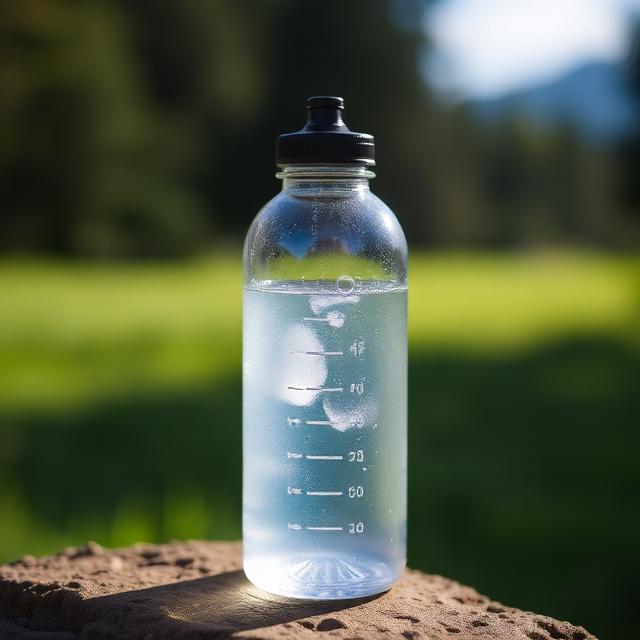
When it comes to building a robust immune system, think of your body as a high-performance vehicle; it needs the right fuel to run smoothly. Fill your plate with colorful fruits and veggies, lean proteins, and healthy fats. Antioxidants from berries and leafy greens can help your body battle those pesky germs, while staying hydrated ensures your immune cells can do their job effectively. So, drink up! Water is your immune system’s best friend, and it doesn’t hurt to spice things up with some herbal teas. Cheers to staying hydrated!
The Role of Sleep and Stress Management
Sleep is not just for the lazy; it’s an essential part of immune health. Aim for 7-9 hours of quality sleep each night. When you skimp on Zzz’s, your body is like a superhero without its cape – vulnerable and less able to fight off invaders. Pair that with some savvy stress management techniques, like mindfulness or yoga, and you’ll be untouchable! Remember, a calm mind can lead to a fortified body, so kick stress to the curb.
Regular Exercise and Its Benefits
Ah, exercise – the magic potion for both a fit body and a happy immune system. Regular physical activity boosts circulation, helping immune cells do their job more efficiently. It doesn’t have to be a bulletproof workout; even a brisk walk or a dance-off in your living room counts! Aim for at least 150 minutes of moderate exercise each week. Trust us, not only will your body thank you, but your immune system will be flexing its muscles too.
Creating a Germ-Free Environment at Home
Cleaning Schedules for Different Areas of the Home
Let’s face it – a clean home is a happy home, especially when it comes to germ avoidance. Establish a cleaning schedule that targets high-touch areas like doorknobs, light switches, and remote controls. Daily wipes for those hotspots, and deeper cleans weekly for the floors and bathrooms should do the trick. Consider it your home’s version of a spa day. Trust us; those germs will be scrambling for the exit!
Using Air Purifiers and Ventilation
Breathe easy! Good air circulation and quality can help keep germs at bay. Invest in an air purifier with a HEPA filter to catch those tiny troublemakers floating about. Open windows when the weather permits to let fresh air do its magic. Just think of it as letting Mother Nature into your home; she’s a great germ-fighter!
Minimizing Clutter and Maintaining Organization
Clutter is not just an eyesore; it’s also a germ magnet! Create a serene environment by decluttering your space and keeping things organized. This doesn’t mean you have to become a minimalist overnight, but a tidy home can reduce hiding spots for germs. Plus, less clutter means less dust, making it easier to breathe and stay healthy. Who knew tidiness could be your secret weapon?
Smart Strategies for Public Spaces
Staying Healthy in Crowded Areas
Crowds can be a breeding ground for germs – it’s like a germ rave! If you must venture into the masses, carry some hand sanitizer and be mindful of your surroundings. Avoid touching your face, and when possible, keep a little distance from others. No one needs to hear a sneeze that close up! Your health is worth the awkward sidestep.
Using Personal Protective Equipment (PPE) Wisely
Personal Protective Equipment (PPE) is like your armor against germs in public spaces. Masks, gloves, and face shields can be helpful when used correctly. Just remember, wearing a mask is not an excuse for skipping hand hygiene! Use PPE as a part of your overall strategy, not the whole toolkit. Think of it as being prepared for a superhero mission in germ-infested territory.
Practicing Social Distancing
Ah, the art of social distancing – the dance everyone awkwardly learned during a pandemic! Keeping a safe distance from others is a powerful tool against germ spread. At the grocery store or while waiting in line, give yourself a little extra space. Not only will this help keep you healthy, but it might also save you from an awkward small talk situation!
Myths and Facts About Germ Avoidance
Common Misconceptions About Germs
Let’s bust some myths! Not all germs are the enemy; in fact, many are beneficial and help our bodies function properly. Remember, while it’s important to avoid harmful germs, living in a bubble isn’t the answer. Some myths, like “Antibacterial soap is better than regular soap,” are just that—myths! Good ol’ soap and water make the cut. Don’t believe everything you hear, especially from your well-meaning but misinformed friend.
Fact-Checking Popular Germ Avoidance Tips
Not all germ avoidance tips hold water (or soap)! Rumors about extreme measures often circulate faster than germs themselves. Before adopting a new technique, do a little research. For example, the “5-second rule” is not a true germ defense strategy. If food hits the floor, it’s a goner—no matter the time limit! So, where should you get your facts? Reliable sources like health organizations or your friendly neighborhood doctor should do the trick.
Understanding the Limitations of Germ Avoidance
Let’s get real: you can’t avoid every germ out there, and that’s okay! While it’s smart to take precautions, aiming for total germ eradication is a tall order. Our bodies are pretty good at handling a reasonable amount of germs. The goal is to find a balance between healthy avoidance and living your life. Live, laugh, and germ responsibly!By following the practical steps outlined in this guide, you can significantly reduce your risk of germ exposure and promote a healthier lifestyle. Remember that maintaining good hygiene practices, staying informed, and creating a clean environment are essential in the ongoing effort to stay healthy. As you incorporate these strategies into your daily routine, you empower yourself and those around you to thrive in a cleaner, safer world. Stay vigilant, stay healthy, and continue to prioritize your well-being!
Frequently Asked Questions
What is the most effective way to prevent the spread of germs?
The most effective way to prevent the spread of germs is through regular and thorough handwashing, especially before eating, after using the restroom, and after being in public places. Additionally, cleaning and disinfecting high-touch surfaces and practicing good hygiene can significantly reduce germ transmission.
Are hand sanitizers as effective as handwashing?
While hand sanitizers can be effective in killing many types of germs, they are not a substitute for handwashing with soap and water. Hand sanitizers should be used when soap and water are not available, but it is important to choose one that contains at least 60% alcohol for maximum effectiveness.
How often should I clean and disinfect my home?
It is recommended to clean and disinfect high-touch surfaces daily, such as doorknobs, light switches, countertops, and bathroom fixtures. Additionally, regular cleaning of other areas of your home should be scheduled weekly or more frequently as needed, especially during cold and flu season.
Can I avoid all germs completely?
While it is impossible to avoid all germs, you can significantly reduce your exposure by following good hygiene practices and maintaining a clean environment. It’s important to remember that not all germs are harmful; many are beneficial and necessary for our immune system to function properly.