

Temporomandibular joint (TMJ) disorders can lead to debilitating jaw pain, affecting daily activities and overall quality of life. As more individuals seek effective solutions for managing this discomfort, Botox has emerged as a promising treatment option. Originally known for its cosmetic applications, Botox has gained recognition in the medical field for its ability to alleviate TMJ-related pain by targeting muscle tension and reducing inflammation. This definitive guide will explore the causes and symptoms of TMJ disorders, the role of Botox in pain management, treatment processes, potential side effects, and alternative therapies, empowering readers to make informed decisions about their health and pain relief strategies.
Understanding TMJ Disorders: Causes and Symptoms
What is TMJ?
TMJ stands for temporomandibular joint, which connects your jawbone to your skull. Think of it as the most overworked joint in your body, tirelessly helping you chew, talk, and occasionally bite your friend’s ear during an intense game of charades. When this joint goes haywire, we refer to it as a TMJ disorder.
Common Causes of TMJ Disorders
TMJ disorders can result from various culprits. Some common causes include teeth grinding (thanks, stress!), jaw clenching, misaligned teeth, arthritis, and even injuries. Essentially, if you’ve ever been too stressed or too enthusiastic when biting into a sandwich, there’s a chance you might end up with TMJ issues.
Identifying Symptoms of TMJ Pain
Symptoms of TMJ disorders can range from annoying to downright unbearable. Look out for jaw pain, headaches, earaches, clicking or popping sounds when moving your jaw, difficulty chewing, and, for some, facial swelling. If your jaw feels like it just ran a marathon without your consent, it might be time to reassess your TMJ health.
The Role of Botox in TMJ Pain Management
What is Botox?
Botox is a brand name for botulinum toxin, a substance that temporarily relaxes muscles by blocking nerve signals. This magic serum is often known for its wrinkle-reducing powers, but it also has a growing reputation in the world of health, particularly for TMJ pain.
Botox for TMJ: An Overview
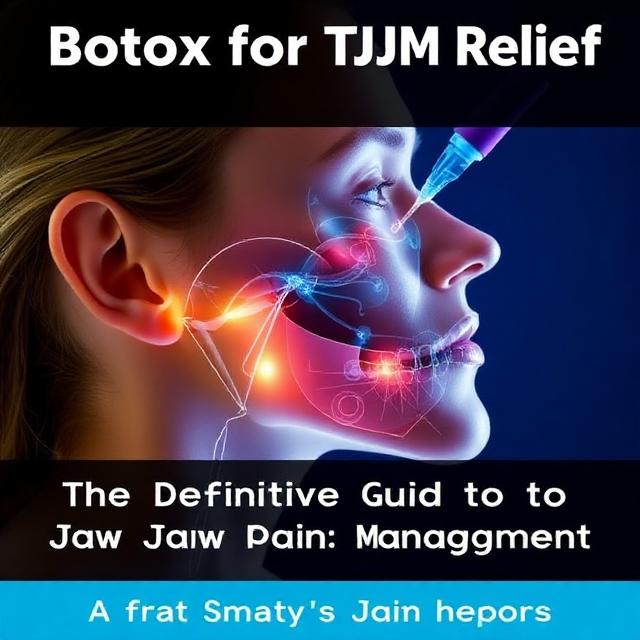
When injected into specific muscles around the jaw, Botox can help alleviate tension and pain associated with TMJ disorders. It doesn’t just promise a smoother forehead; it also offers a break for your beleaguered jaw, giving it a chance to relax and “chill out” (pun intended).
When to Consider Botox for TMJ Relief
If you’ve tried every home remedy under the sun and your TMJ pain persists like a stubborn stain, Botox might be your next best option. It’s particularly worth considering if you experience chronic jaw pain, headaches, or have been diagnosed with bruxism (the fancy term for teeth grinding). Consult your healthcare provider to see if you’re an ideal candidate.
How Botox Works to Relieve Jaw Pain
Mechanism of Action
Botox works by inhibiting the release of neurotransmitters that signal muscle contractions. By doing so, it effectively “turns off” the overactive muscles associated with your TMJ, giving your jaw the relief it desperately needs. Voilà! It’s like hitting the “pause” button on your jaw’s muscle drama.
Effects on Muscle Tension
The relaxing effects of Botox lead to a significant reduction in muscle tension. This can mean fewer headaches and a jaw that doesn’t feel like it’s been lifting weights all day. Imagine your jaw muscles getting the spa day they deserve—bubble baths and all!
Impact on Pain Perception
Botox can also alter how your brain perceives pain. By blocking pain signals, it can help diminish the discomfort often associated with TMJ disorders. With a decrease in both muscle tension and pain perception, you might just find that smiling is once again a pain-free endeavor.
The Benefits of Using Botox for TMJ Relief
Rapid Symptom Relief
One of the most immediate benefits of Botox is the rapid relief it provides. Many patients report feeling effects within days, which is way faster than waiting for a prescription to kick in—talk about instant gratification!
Minimally Invasive Treatment
Botox injections are quick, minimally invasive, and don’t require any downtime. You can even pop in during your lunch break, get your jaw sorted, and return to work—just try not to smile too much afterward; you don’t want to raise any eyebrows!
Improved Quality of Life
Ultimately, the goal of using Botox for TMJ relief is to enhance your quality of life. Less jaw pain means more delicious meals, unbroken conversations, and those late-night snacks you’ve been avoiding out of fear of discomfort. With Botox, you can go back to living your best life, one bite at a time!
Treatment Process: What to Expect During a Botox Injection
Consultation and Assessment
Before diving into the world of Botox, you’ll first have a sit-down with a healthcare professional who specializes in TMJ disorders. This is where you can air your grievances about jaw pain, awkward chewing situations, and that time you accidentally bit down on a fork (ouch!). The clinician will evaluate your symptoms, ask about your medical history, and may even conduct a physical exam to determine the best course of action. And yes, you might get asked if you grind your teeth like you’re trying to make a diamond!
Injection Procedure
On the day of your appointment, you’ll be seated in a cozy chair—hopefully not too reminiscent of a dentist’s office. The clinician will clean the injection site and might apply a topical anesthetic to numb the area (because who wants to feel a needle?). The Botox is then injected into specific muscle points in your jaw. It’s usually quick—think less “Operation” and more “lightning-fast selfie”—and you should be in and out in about 30 minutes. A small price to pay for relief, right?
Post-Treatment Care
After your Botox adventure, there are a few things to keep in mind. You might experience slight swelling or bruising at the injection sites, but nothing that’ll draw attention at brunch. Try to avoid massaging the treated area or laying down flat for about four hours (because no one wants to faceplant into a pillow right after). You should also steer clear of strenuous exercise for a day or two, as you don’t want to send those Botox effects running for the hills!
Potential Side Effects and Risks of Botox for TMJ
Common Side Effects
Every rose has its thorns, and Botox is no exception. Common side effects can include mild pain or tenderness at the injection site, some bruising, or headache—like the hangover you didn’t ask for. You might also feel a bit of facial weakness or drooping, but don’t panic; these effects are typically temporary and resolve within a few days.
Serious Risks and Complications
While it’s rare, serious complications can occur, such as difficulty swallowing or breathing (yikes!), and those should be taken seriously. If you notice any unexpected symptoms like a lump in your throat or an inability to speak properly, that’s a cue to call your healthcare provider. Remember, communication is key, folks!
Who Should Avoid Botox for TMJ?
Not everyone should dive headfirst into the Botox pool. If you’re pregnant, breastfeeding, or have a neurological condition, it’s best to steer clear of Botox for TMJ relief. Additionally, those with allergies to any components of Botox should hold off and explore other options. Always consult your healthcare provider to figure out what works best for you—after all, safety first!
Alternative Treatments for TMJ Disorders
Physical Therapy
If the thought of needles isn’t quite your thing, physical therapy might be up your alley. A trained therapist can help with exercises that relieve tension in the jaw and improve mobility. Think of it like yoga for your jaw—only you won’t have to wear stretchy pants!
Medication Options
Over-the-counter pain relievers, like ibuprofen or acetaminophen, can be a lifesaver for those flare-ups. In some cases, your doctor may prescribe muscle relaxants or anti-inflammatory medications for more stubborn pain. Just remember, taking meds isn’t a permanent fix—think of it as putting a band-aid on your boo-boo.
Dental Appliances and Lifestyle Changes
For those still grinding their teeth down to nubs, dental appliances like mouthguards can be a game changer. They help protect your teeth and reduce strain on jaw muscles. Coupled with some lifestyle adjustments—like stress management techniques, jaw exercises, or even giving up that late-night bag of chips—you can reshape your path to relief.
Conclusion: Making Informed Decisions About TMJ Relief Options
Assessing Your Options
With so many TMJ relief options floating around, it can feel a bit like trying to choose from an overwhelming menu at a fancy restaurant. Take the time to assess which treatments resonate with you, whether it’s Botox, physical therapy, or medication. Remember, there’s no one-size-fits-all solution; it’s about finding what feels right for you!
Consulting a Healthcare Professional
When in doubt, chat with a qualified healthcare professional who can provide personalized advice based on your unique situation. They’ll have the insights and recommendations to steer you in the right direction, and after all, they have your best interests at heart!
Long-term Management Strategies
Finally, remember that TMJ relief is often a marathon, not a sprint. Incorporating long-term management strategies, like stress reduction techniques and regular check-ups with your healthcare provider, can help keep your jaw happy for the long haul. So take a deep breath, relax those shoulders, and give your jaw the love it deserves!In conclusion, understanding TMJ disorders and exploring various treatment options, including Botox, can significantly impact your journey toward pain relief. While Botox offers a promising solution for many, it is essential to consult with a healthcare professional to determine the best approach for your specific needs. Whether you choose Botox, alternative therapies, or a combination of treatments, taking proactive steps is crucial for managing TMJ pain and improving your quality of life.
Frequently Asked Questions
1. How long does Botox treatment for TMJ last?
The effects of Botox for TMJ relief typically last between three to six months, after which repeat treatments may be necessary to maintain pain relief.
2. Is Botox safe for treating TMJ disorders?
Botox is generally considered safe for most individuals when administered by a qualified healthcare professional; however, potential side effects and risks should be discussed with your provider.
3. Can Botox completely cure TMJ disorders?
While Botox can significantly alleviate pain and reduce symptoms, it is not a cure for TMJ disorders. A comprehensive treatment plan may include other therapies for long-term management.
4. How many Botox injections are needed for TMJ relief?
The number of injections required can vary based on individual needs and the severity of symptoms. Your healthcare provider will tailor the treatment plan to suit your specific condition.