


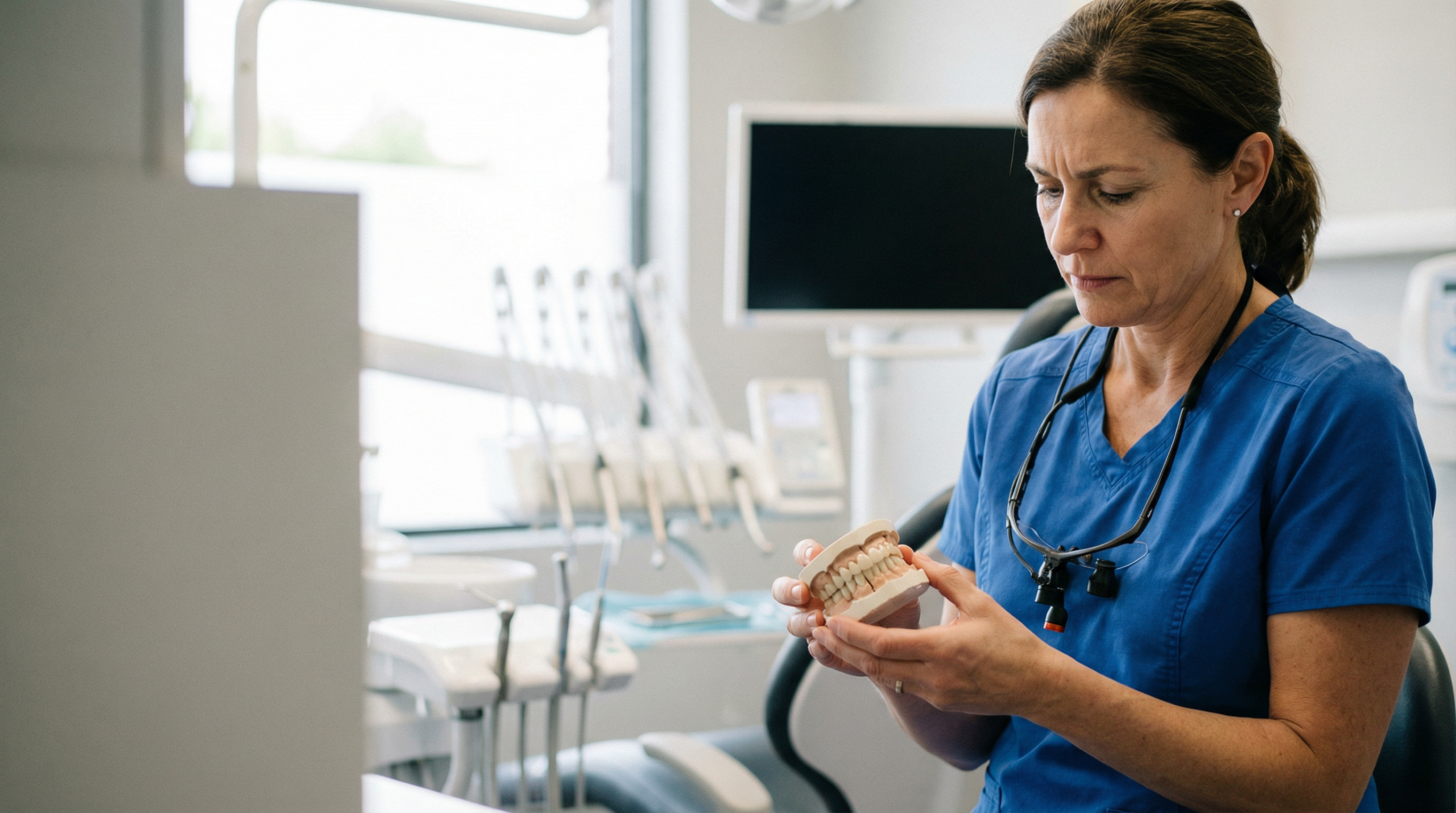
Understanding Full Mouth Bridges
Losing most or all of your teeth doesn’t mean living with an incomplete smile forever. A full mouth bridge represents one of dentistry’s most comprehensive solutions for extensive tooth loss, offering a permanent restoration that can transform both function and appearance in a single treatment.
Unlike traditional bridges that replace just a few adjacent teeth, a full mouth bridge spans an entire dental arch—replacing all upper or lower teeth with a connected series of artificial crowns. This fixed prosthetic attaches to strategically placed dental implants or remaining healthy teeth, creating a stable foundation that eliminates the mobility issues common with removable dentures.
The technology behind full mouth bridges has evolved significantly, with modern materials like zirconia and porcelain providing exceptional durability and natural aesthetics. However, the dental bridge cost for full mouth restoration varies considerably based on factors including implant requirements, material selection, geographic location, typically ranging from $20, 000 to $50, and 000 per arch. What makes full mouth bridges particularly appealing is their ability to restore complete oral function immediately after placement. Patients can eat, speak, and smile confidently without the daily maintenance routines required by removable alternatives.
Now let’s explore the specific advantages that make full mouth bridges an increasingly popular choice for comprehensive tooth replacement.
The Advantages of Full Mouth Bridges
A full dental bridge offers compelling advantages for patients seeking comprehensive tooth replacement. Unlike removable dentures, bridges provide permanent stability that allows you to eat, speak, and smile with complete confidence. The restoration feels natural because it’s securely anchored to existing teeth or implants, eliminating the movement and slippage common with traditional dentures. Cost-effectiveness represents another significant benefit. Full mouth bridges typically cost less than individual implants for extensive tooth replacement, making comprehensive dental restoration accessible to more patients. The treatment timeline is also faster, often completed in weeks rather than months.
When weighing the dental bridge vs implant decision, bridges excel in situations where multiple adjacent teeth need replacement. They efficiently span large gaps while distributing chewing forces across the supporting structure. Additionally, bridges preserve facial structure by maintaining proper lip and cheek support, preventing the sunken appearance that often develops with missing teeth.
This foundation of benefits makes full mouth bridges an attractive option, though understanding how they compare to other treatments helps ensure the best choice for your specific needs.
Comparing Bridges and Implants
When exploring comprehensive tooth replacement options, patients often weigh traditional bridges against modern implant solutions. An implant-supported bridge combines the stability of dental implants with the comprehensive coverage of a full arch restoration, offering superior retention compared to conventional bridges that rely solely on remaining teeth for support.
The key distinction lies in foundation stability. Traditional bridges require healthy adjacent teeth as anchors, which may compromise otherwise sound teeth through preparation and increased stress. In contrast, implant-supported options distribute forces directly to the jawbone, preserving natural tooth structure while providing enhanced chewing function.
However, full mouth bridge implant cost considerations often influence treatment decisions. Implant-supported solutions typically require higher initial investment due to surgical placement and extended treatment timelines, while traditional bridges offer more immediate results at lower upfront costs. The long-term value proposition differs significantly, as implant-supported bridges generally require less maintenance and offer greater durability.
Understanding these fundamental differences helps patients make informed decisions based on their specific oral health needs, budget constraints, and long-term goals for their smile restoration.
Factors Influencing the Longevity of Bridges
The lifespan of your full mouth restoration depends heavily on several key factors that work together to determine long-term success. Understanding these variables helps set realistic expectations and guides important treatment decisions.
Material quality and construction represent the foundation of bridge durability. A well-crafted tooth-supported bridge using premium materials can last 10-15 years with proper care, while lower-grade options may require replacement much sooner. The precision of laboratory work and your dentist’s technique directly impact structural integrity.
Oral hygiene maintenance emerges as the most critical factor under your control. Proper cleaning techniques and regular dental visits prevent the bacterial buildup that commonly causes bridge failure through decay or gum disease.
Supporting tooth health plays an equally vital role, as bridges rely entirely on adjacent teeth for stability. When considering extensive work like a 4 teeth bridge cost investment, the condition of these anchor teeth becomes paramount to long-term success.
However, even the highest-quality bridges face inherent limitations compared to implant-supported alternatives. This durability comparison naturally leads to important cost considerations that influence treatment planning.
Cost of Full Mouth Bridges
Understanding the financial investment for full mouth restoration helps patients make informed decisions about their oral health future. The crown bridge teeth price varies significantly based on materials, complexity, and geographic location, with traditional bridges typically ranging from $15,000 to $30,000 per arch.
A fixed dental bridge supported by implants represents a premium investment, often costing between $25,000 to $50,000 for a complete restoration. Fixed full arch implant bridges offer superior stability, longevity compared to traditional options, and which helps justify the higher initial cost through long-term value. Several factors influence pricing beyond the base procedure. Laboratory fees for custom prosthetics, implant placement costs, and any necessary preliminary treatments like bone grafting can add substantial amounts to the total investment. Geographic location also plays a significant role, with metropolitan areas typically commanding higher fees than rural practices.
Most dental practices offer financing options to make full mouth restoration more accessible. Payment plans, dental credit programs, and insurance coordination can help distribute costs over manageable timeframes, making this life-changing treatment achievable for patients ready to embrace their new smile.
Experiencing Life with a Dental Bridge
Adapting to life with a full mouth bridge involves understanding how the restoration functions in daily activities. The artificial teeth, called pontics, are designed to mimic natural tooth function, but there’s typically an adjustment period as patients learn to eat, speak, and maintain their new restoration.
Speaking patterns often normalize within the first few weeks, though some patients initially notice slight changes in pronunciation. Eating requires a gradual approach – starting with softer foods and progressively introducing more challenging textures allows the supporting structures to adapt comfortably.
Daily oral hygiene becomes particularly important, as the bridge creates unique cleaning challenges around the pontics and supporting teeth. Special flossing techniques and interdental brushes help maintain the health of both the restoration and surrounding tissues. Most patients report that once they establish effective cleaning routines, maintaining their bridge becomes second nature.
The psychological impact shouldn’t be underestimated – patients frequently describe renewed confidence in social situations and professional settings. Fixed full arch restorations can restore both function and appearance, allowing individuals to return to activities they may have avoided due to dental concerns.
However, certain lifestyle adjustments may be necessary to protect the investment and ensure longevity, which brings us to important limitations worth considering.