


Understanding Pumice Stone
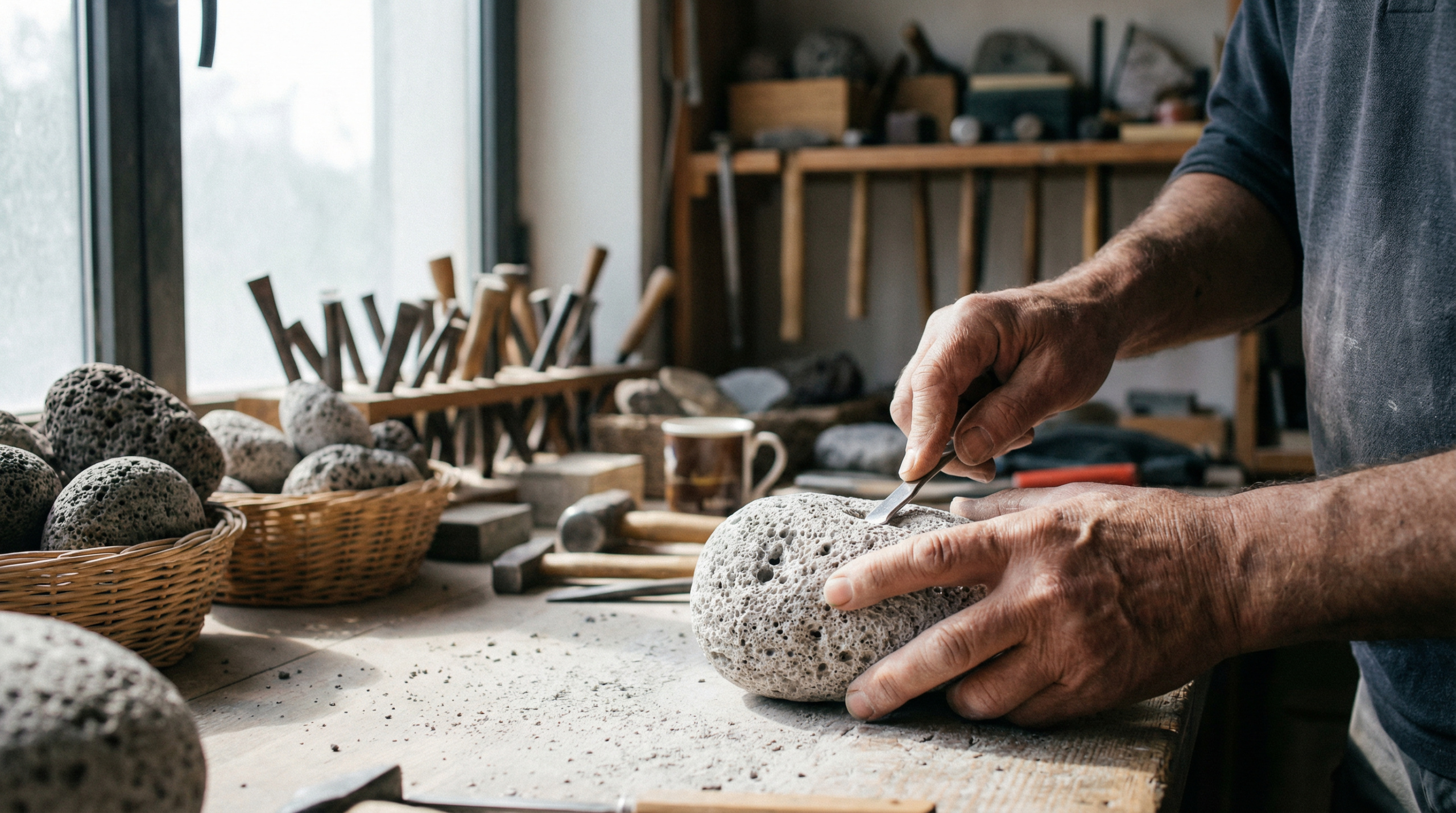
Pumice stone emerges from volcanic eruptions as a lightweight, porous rock that has revolutionized skincare routines for centuries. When gas-filled lava cools rapidly, it traps countless air bubbles, creating a natural abrasive material with extraordinary exfoliation properties.
This volcanic glass contains approximately 60-75% silica, giving it the perfect texture for removing dead skin cells without causing excessive irritation. The stone’s unique cellular structure creates thousands of tiny, interconnected pockets that make it both buoyant enough to float on water and effective enough to smooth the roughest calluses.
Unlike synthetic alternatives, pumice stone offers a naturally occurring solution that varies in porosity, and abrasiveness depending on its volcanic origin. The most effective pumice stones feature
- a medium-grain texture that balances gentle exfoliation with thorough skin removal
- making them indispensable tools for foot care
- body maintenance.
Understanding how this remarkable volcanic product transforms rough skin reveals the fascinating intersection of geology and personal care.
The Science Behind Pumice Stone Exfoliation
The exfoliating power of pumice lies in its unique microscopic structure, where countless tiny air pockets create an abrasive surface perfectly calibrated for skin care applications. When examined under magnification, pumice reveals a complex network of interconnected vesicles that form during rapid volcanic cooling, creating what scientists describe as a “natural sandpaper” with consistent granularity.
This volcanic glass matrix operates through controlled mechanical abrasion, where the stone’s moderate hardness rating of 5-6 on the Mohs scale removes dead skin cells without causing microtears that harsher abrasives might create. The key lies in pumice’s ability to maintain its shape while gradually wearing down, ensuring consistent performance throughout extended use.
For effective foot care, this scientific foundation translates into practical benefits: the stone’s porosity allows it to trap removed skin particles while its lightweight nature prevents excessive pressure application. Understanding this mechanical action helps explain why pumice has remained the gold standard for callus removal across diverse cultures for over two millennia.
The optimal exfoliation occurs when pumice’s natural roughness encounters moistened skin, creating the perfect balance between effectiveness and safety.
Proper Usage Techniques for Pumice Stone
Mastering how to use pumice stone effectively requires understanding the delicate balance between thorough exfoliation and skin safety. The key lies in proper preparation and technique rather than aggressive scrubbing.
Begin by soaking both your skin and the foot stone in warm water for 5-10 minutes. This softening process is crucial—dry pumice against dry skin creates excessive friction that can cause micro-tears and irritation. The volcanic glass structure becomes more effective when hydrated, allowing for controlled abrasion.
Apply gentle, circular motions with light pressure, focusing on areas of thick, dead skin buildup. The pumice’s natural porosity means it requires minimal force to be effective. Work in small sections, frequently rinsing both the stone and your skin to remove loosened debris and maintain optimal moisture levels.
Timing is everything: limit sessions to 2-3 minutes per area to prevent over-exfoliation. The goal is gradual improvement through consistent use rather than dramatic results in a single session. This measured approach ensures skin health while maximizing the stone’s exfoliating benefits, setting the foundation for proper stone maintenance practices.
Maintenance and Longevity of Your Pumice Stone
Proper maintenance of your volcanic stone significantly extends its effectiveness and lifespan, making this natural tool a remarkably durable investment for skincare routines. Understanding what is pumice stone at its core—a highly porous volcanic glass—helps explain why proper care is essential for maintaining its abrasive properties.
After each use, thoroughly rinse your pumice stone under warm running water to remove dead skin cells and soap residue that can clog its microscopic pores. The key to longevity lies in proper drying—allow the stone to air dry completely in a well-ventilated area to prevent bacterial growth within its porous structure.
Weekly deep cleaning involves soaking the stone in a diluted hydrogen peroxide solution for 10-15 minutes, followed by gentle scrubbing with an old toothbrush to dislodge stubborn debris. This maintenance routine preserves the stone’s natural texture and prevents the accumulation of bacteria that could compromise skin health.
A well-maintained pumice stone can last several months to over a year, depending on frequency of use, with gradual smoothing indicating when replacement becomes necessary.
Limitations and Considerations
While natural pumice offers exceptional benefits for foot care, understanding its limitations ensures safe, and effective use. The abrasive nature that makes pumice effective can become problematic when used incorrectly or on inappropriate skin conditions. Pumice stone for calluses works best on thick, dry skin but should never be used on broken, infected, or inflamed areas. Diabetics and individuals with circulation issues require particular caution, as reduced sensation can lead to over-exfoliation and potential injury. According to volcanic formation research, pumice’s porosity varies significantly, affecting its abrasiveness—denser stones may be too harsh for sensitive skin.
Frequency limitations are crucial; daily use can damage healthy skin beneath calluses. Most dermatological guidelines recommend limiting pumice use to 2-3 times weekly maximum. Additionally, pumice’s effectiveness diminishes on wet calluses, as moisture makes the stone less abrasive and can lead to uneven removal.
Environmental considerations include proper disposal, as pumice doesn’t decompose quickly. However, its reusability when properly maintained makes it an environmentally conscious choice compared to disposable foot files.
These considerations highlight why understanding proper technique, as demonstrated in real-world applications, becomes essential for achieving optimal results safely.
Case Study: Effective Use of Pumice Stone for Cracked Heels
Consider Sarah, a healthcare worker who developed severe cracked heels after long shifts. Her approach demonstrates proper technique: she began with a 10-minute warm water soak, then gently moved the pumice stone in circular motions across affected areas. This callus remover proved most effective when used consistently twice weekly.
Understanding how to use pumice stone on feet requires patience and proper technique. Sarah’s success came from applying light pressure initially, gradually increasing as her skin adapted. The volcanic glass structure of pumice made it ideal for removing thick, hardened skin without causing damage.
Within six weeks, Sarah’s heels showed remarkable improvement. The key factors
- included pre-soaking feet
- using gentle circular motions
- following with moisturizer. This systematic approach transformed severely cracked heels into smooth, healthy skin.
This real-world application illustrates how consistent, proper pumice stone use addresses stubborn foot problems that often resist other treatments. As we’ll explore next, many people have similar questions about maximizing their pumice stone results.
Frequently Asked Questions About Pumice Stone
How often should I use a pumice stone on my feet? For most people, using a pumice stone 2-3 times per week effectively removes dead skin cells without causing irritation. However, those with sensitive skin should start with once weekly and gradually increase frequency based on their skin’s response.
Can pumice stones be used for cleaning purposes beyond personal care? Yes, pumice’s abrasive properties extend to household applications. A pumice stone for toilet bowl cleaning effectively removes mineral deposits and hard water stains without scratching porcelain surfaces. The same volcanic glass composition that makes it ideal for foot care also creates gentle yet effective cleaning action for various surfaces.
How do I know when to replace my pumice stone? Replace your pumice stone when it becomes too smooth to effectively remove skin, develops cracks that harbor bacteria, or breaks into sharp fragments. A quality pumice stone typically lasts 3-6 months with regular use and proper maintenance.
Is pumice stone safe for diabetics? Diabetics should consult healthcare providers before using pumice stones, as reduced sensation in feet can lead to over-exfoliation or injury without awareness.
Key Takeaways
Pumice stone stands as one of nature’s most versatile volcanic gifts, offering practical solutions across multiple domains. From treating cracked heels through gentle exfoliation to serving as an effective pumice stone for cleaning household surfaces, this lightweight volcanic glass demonstrates remarkable utility. The stone’s unique cellular structure, formed during explosive volcanic eruptions, creates the perfect balance of abrasiveness and gentleness that makes it indispensable for both personal care and maintenance tasks.
Understanding proper technique remains crucial for maximizing benefits while avoiding potential harm. Whether addressing foot care concerns or tackling stubborn stains, the key lies in preparation, gentle pressure, and consistent aftercare. As research shows, pumice’s natural composition provides effective results without harsh chemicals.
Moving forward, consider pumice stone not just as a single-purpose tool, but as a sustainable, natural solution for various challenges. Start with one application that addresses your immediate needs, master the technique, and gradually explore its broader potential in your daily routine.