


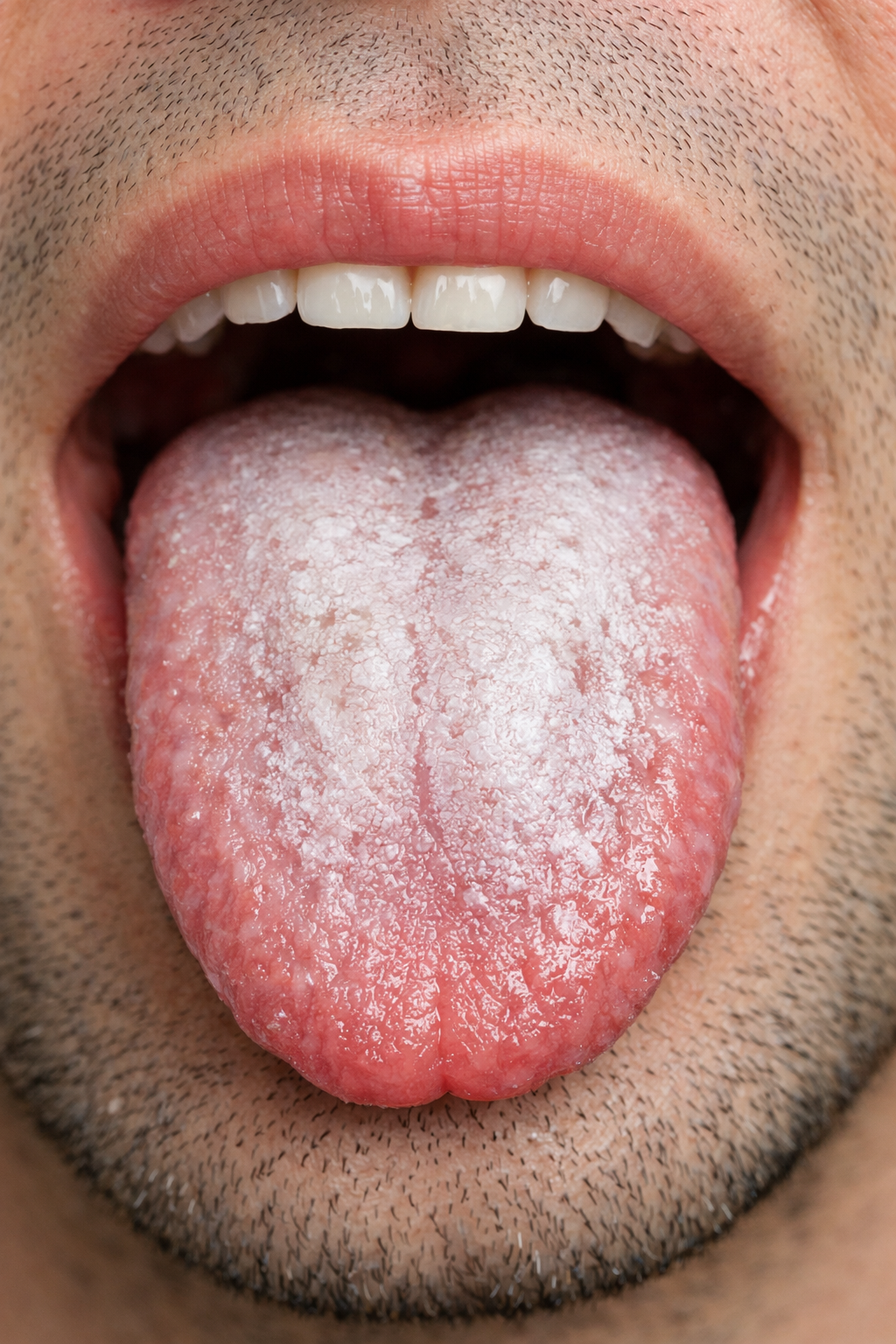
Why is my tongue white Have you ever looked in the mirror and noticed that your tongue appears to be an unusual shade of white? You’re not alone. Many people experience this puzzling phenomenon at some point in their lives. While it might seem alarming, a white tongue can stem from various causes, ranging from harmless to more serious health concerns. Understanding why your tongue looks this way is essential for maintaining good oral hygiene and overall health.
In this blog post, we’ll dive into the reasons behind a white tongue, explore its possible causes, and offer practical advice for care and remedies. Whether you’re just curious or seeking answers to your own symptoms, get ready to uncover the mystery of why your tongue may be looking less than pristine!
Overview of White Tongue
why is my tongue white? A white tongue is a common oral condition that many people experience at some point. It occurs when the surface of the tongue becomes coated with a whitish film or discoloration. This can be quite noticeable and may raise concerns about overall health.
The appearance typically results from an accumulation of dead cells, bacteria, food particles, and debris on the tongue’s surface. While it may look alarming, in most cases, it’s harmless and temporary. However, it can sometimes indicate underlying issues that require attention.
Lifestyle factors like dehydration or poor oral hygiene are frequently linked to this condition. For instance, not drinking enough water can lead to dry mouth, promoting buildup on the tongue. Certain habits such as smoking or consuming excessive alcohol can also contribute to its development.
Though generally benign, being aware of what a white tongue might signify is crucial for maintaining your well-being. Understanding its characteristics helps in identifying whether treatment or lifestyle adjustments are needed.
Possible Causes of White Tongue
A white tongue can be a puzzling sight. Various factors contribute to this condition, and understanding them is essential for any concerned individual. One common cause is the accumulation of bacteria and dead cells on the tongue’s surface. Poor oral hygiene often leads to this buildup, causing a whitish appearance.
Dehydration can also play a significant role in creating that white film. When your body lacks adequate fluids, your mouth may become dry, allowing debris to collect more easily on your tongue. This situation typically resolves with proper hydration.
Thrush, an overgrowth of Candida fungus, is another potential culprit behind a white-coated tongue. This yeast infection can occur due to various reasons—antibiotic use being one of them—affecting the delicate balance of oral flora.
In some cases, smoking or tobacco use contributes significantly to discoloration and irritation on the tongue’s surface. Each factor requires attention as they signal different underlying issues worth exploring further.
Understanding White Tongue: Medical Conditions and Underlying Causes
White tongue can be more than just a cosmetic concern; it may signal underlying health issues. Some common medical conditions associated with a white-coated tongue include oral thrush, leukoplakia, and geographic tongue. Oral thrush is caused by an overgrowth of Candida yeast, leading to creamy white patches that can cause discomfort.
Leukoplakia appears as thickened white lesions on the tongue or inside the mouth and could indicate irritation or infection. While often benign, it’s essential to monitor any changes since some forms might lead to cancer over time. Geographic tongue presents as map-like red patches surrounded by white borders and usually causes little-to-no pain.
Dehydration or dry mouth also play significant roles in developing a white coating on your tongue. When saliva production decreases, bacteria have space to thrive, leading to discoloration. Identifying these potential culprits is key for effective treatment and maintaining oral health.
At-Home Care and Easy Remedies for White Tongue
If you’re dealing with a white tongue, there are some simple at-home remedies that may help. Start by improving your oral hygiene routine. Brush your tongue gently with a toothbrush or use a tongue scraper to remove the buildup of bacteria and dead cells.
Staying hydrated is also crucial. Drink plenty of water throughout the day to keep your mouth moist and flush out toxins. Herbal teas, especially those with anti-inflammatory properties like chamomile or ginger, can be soothing as well.
Incorporating probiotics into your diet might also make a difference. Yogurt and fermented foods help promote good bacteria in your mouth, which can combat any imbalance contributing to the whiteness on your tongue.
Consider adding saltwater rinses to your regimen. Mixing half a teaspoon of salt in warm water can provide relief from irritation while helping cleanse the area effectively.
Knowing When to Seek Professional Help for White Tongue
If you’ve noticed a persistent white coating on your tongue, it’s essential to monitor how long it lasts. While occasional discoloration may not be alarming, a white tongue that lingers for more than two weeks warrants attention. This duration can indicate an underlying health issue.
Pay close attention to any accompanying symptoms. If you experience pain, swelling, or difficulty swallowing alongside the white coating, don’t hesitate to consult a healthcare professional. These signs could signify infections or other conditions requiring medical intervention.
Additionally, if your oral hygiene routine is consistent yet doesn’t improve the condition of your tongue, seeking help is advisable. Sometimes home remedies aren’t enough when there’s an underlying cause at play.
If you have pre-existing conditions such as diabetes or autoimmune disorders and notice changes in your oral health, reach out to a doctor promptly. Your overall well-being might depend on addressing these changes early.
Exploring the Connection Between Tongue Health and Overall Well-being
The tongue is often overlooked in discussions about health, yet it plays a vital role in our overall well-being. Its surface can reveal much more than just what we’ve eaten recently. Changes in its color or texture may indicate underlying health issues that require attention.
For instance, a white tongue might suggest an imbalance of bacteria or fungi in the mouth. This could be linked to dehydration, poor oral hygiene, or even systemic conditions like diabetes. Paying close attention to your tongue’s appearance can offer valuable insights into your body’s condition.
Moreover, the tongue reflects our nutritional status. Deficiencies in essential vitamins and minerals may manifest as changes on the tongue’s surface. Therefore, maintaining a balanced diet not only supports immune function but also promotes good oral health.
Incorporating routine checks of your tongue into personal care practices fosters awareness of any potential problems early on. Prioritizing this simple aspect of self-care can significantly contribute to long-term health benefits.
Answering Frequently Asked Questions About White Tongue
White tongue can raise numerous questions and concerns. Here are some common queries that people often have about this condition.
Many wonder if a white tongue is normal. While it can be harmless, it’s important to observe any accompanying symptoms like pain or persistent changes in color. Others ask if white tongue is contagious; rest assured, it’s not an infectious condition.
Another frequent question revolves around dietary influences. Can certain foods cause a white coating on the tongue? Yes, diets high in sugar or processed foods may contribute to this issue due to increased bacteria growth.
Some individuals are curious about how long a white tongue should last. If your symptoms persist beyond a couple of weeks or worsen over time, it’s advisable to consult with a healthcare professional for further assessment.
Many seek clarity on maintaining good oral hygiene as preventive care. Regular brushing of the tongue along with proper dental habits can significantly reduce the chances of developing a white coating.
Understanding these frequently asked questions helps demystify why your tongue might appear white and encourages proactive steps for better oral health.