

Introduction Banana Peppers
Banana peppers might not be the star of the show in your kitchen, but these vibrant little beauties come packed with flavor and health benefits that can elevate any dish. Whether you enjoy their mild heat in salads or as a zesty topping on pizzas, banana peppers deserve a spotlight on your plate. But there’s more to them than just taste! From promoting digestive health to adding essential vitamins to your diet, banana peppers are versatile ingredients that can contribute significantly to your well-being. Let’s dive deeper into why these colorful gems should find a permanent place in your pantry and how easy it is to incorporate them into your meals.
Nomenclature and Cultivation
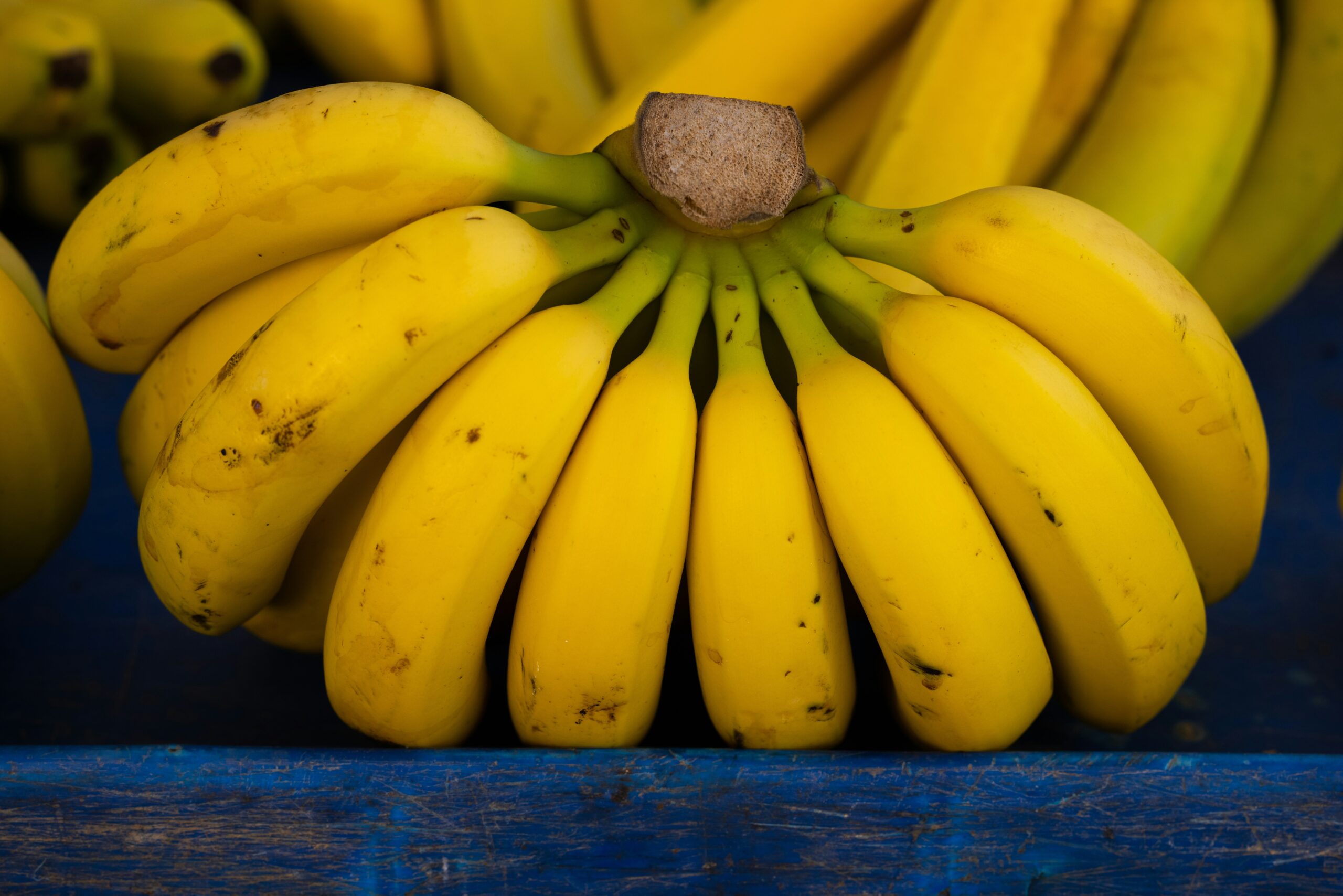
Banana peppers, scientifically known as Capsicum annuum, are a member of the nightshade family. Their name derives from their elongated shape and yellowish-green color that resembles bananas. These mild chili peppers are often mistaken for other varieties due to their numerous cultivars.
Cultivation of banana peppers is relatively straightforward. They thrive in warm climates and require well-drained soil enriched with organic matter. If you’re considering growing your own, start seeds indoors about 8-10 weeks before the last frost date.
Once seedlings emerge, they need plenty of sunlight—ideally six to eight hours daily. When planting them outdoors, ensure you space each pepper about 18 inches apart to allow ample growth room. Watering is essential; keep the soil consistently moist but not soggy.
Pest control can be crucial during cultivation since these plants may attract aphids or spider mites. Regularly inspecting your plants helps catch any issues early on. Using natural remedies or insecticidal soaps can mitigate pest problems without harming beneficial insects.
As banana peppers grow, you’ll notice small white flowers bloom before transforming into fruit over several weeks. Harvesting typically occurs when they reach around six inches long and have turned a vibrant yellow or orange hue.
Growing banana peppers isn’t just rewarding; it adds freshness and flavor to your meals right from your garden! With minimal effort required for care and maintenance, these beauties can flourish in both home gardens and larger agricultural settings alike.
Nutritional Information
Banana peppers are not only flavorful but also packed with nutrition. They provide a variety of vitamins and minerals that can enhance your health in multiple ways. This makes them a fantastic addition to any diet.
One of the standout features of banana peppers is their low calorie count. A typical serving contains fewer than 30 calories, making them an excellent choice for those looking to manage their weight without sacrificing flavor. Their light nature means you can enjoy them guilt-free.
These vibrant peppers are rich in vitamin C, which plays a crucial role in boosting immunity and promoting skin health. Just one pepper provides a significant percentage of your daily requirement for this essential nutrient.
In addition to vitamin C, banana peppers contain vitamin A, important for eye health and vision clarity. The presence of antioxidants helps combat oxidative stress in the body too.
Potassium is another key mineral found abundantly in banana peppers. It aids heart function by regulating blood pressure levels while contributing to muscle contractions and nerve signals.
These versatile vegetables come with dietary fiber that supports digestive health and keeps you feeling full longer. Incorporating banana peppers into meals adds both crunch and additional nutrients without extra calories.
Culinary Uses
Banana peppers are versatile and can add a delightful kick to many dishes. Their mild heat makes them suitable for various culinary creations, appealing to those who prefer subtle spice.
You can slice banana peppers and toss them into salads for an extra crunch. They pair beautifully with greens, tomatoes, and cucumbers. Their vibrant color also adds visual appeal to any dish.
In sandwiches or wraps, these peppers shine as toppings. Whether you’re building a classic sub or crafting a veggie wrap, banana peppers bring zing without overwhelming the palate.
They work well in salsas too. Combine diced banana peppers with tomatoes, onions, cilantro, and lime juice for a refreshing dip that complements chips or grilled meats perfectly.
For pizza lovers, adding sliced banana peppers can elevate your pie’s flavor profile. They harmonize wonderfully with cheese and other toppings like pepperoni or mushrooms.
Don’t forget about pickling! Pickled banana peppers are easy to make at home and serve as fantastic condiments for burgers or hot dogs. The tangy sweetness enhances everything they accompany while providing additional shelf life for this delicious vegetable.
Easy Pickled Banana Peppers Recipe
Pickling banana peppers is a great way to preserve their flavor and enhance their health benefits. The process is simple and can be done at home with minimal ingredients. Here’s an easy recipe that you can follow.
**Ingredients:**
– 2 cups of sliced banana peppers
– 1 cup of white vinegar
– 1 cup of water
– 2 tablespoons of sugar
– 1 tablespoon of salt
– Garlic cloves (optional, for extra flavor)
– Spices like black peppercorns or mustard seeds (optional)
**Instructions:**
1. Start by washing your banana peppers thoroughly. Remove the stems and slice them into rings or leave them whole if preferred.
2. In a saucepan, combine the vinegar, water, sugar, and salt over medium heat. Stir until the sugar and salt dissolve completely.
3. Once dissolved, add any optional garlic cloves or spices you want to use for added flavor.
4. Bring this mixture to a boil before removing it from heat.
5. Carefully pack your sliced banana peppers into clean jars while they are still warm.
6. Pour the hot brine over the peppers in each jar until fully submerged.
7. Seal the jars tightly with lids and let them cool to room temperature before transferring them to the refrigerator.
8. Allow your pickled banana peppers to sit for at least 24 hours for optimal taste; they will keep well in the fridge for several weeks!
These pickled treats make a fantastic addition to sandwiches, salads, or as an appetizer on their own! Enjoy experimenting with different spices based on your preferences—you might just discover your new favorite snack! Embrace this vibrant ingredient in both its fresh form and as tangy pickles; your taste buds—and body—will thank you!