

Tired of crash diets that leave you starving and heavier in the end? Over 70% of people who try quick fixes regain the weight within a year. But what if you could drop 20 pounds steadily, without feeling deprived? This 16-week plan changes that. It aims for about 1.25 pounds lost each week – a safe pace backed by health experts. You’ll build habits around easy meals that taste good and fit your life. No fancy gyms or strict rules needed.
The secret? A small daily calorie cut, managed through simple food choices. Think grilled chicken with veggies, not bland salads. You’ll feel full, energized, and in control. Ready to start today and see real results by week 16?
Section 1: Calculating Your Starting Point and Setting Realistic Targets
Understanding the Caloric Deficit for 1.25 Pounds Weekly Loss
Losing one pound of fat takes about 3,500 calories. For 1.25 pounds a week, you need a 4,375-calorie deficit over seven days. That breaks down to roughly 625 calories less each day. It’s not as scary as it sounds. Your body burns calories just living, so smart eating covers most of it.
This math keeps things steady. No wild swings that mess with your mood. Track your intake for a week to see how it feels. Adjust if needed, but stick close to this number.
Experts say this rate boosts metabolism over time. You’ll lose fat, not muscle. It’s the smart way to shed those 20 pounds in 16 weeks.
Determining Your Baseline Maintenance Calories (TDEE)
First, find your Total Daily Energy Expenditure, or TDEE. This is what you burn daily with normal activity. Use free online calculators – plug in your age, weight, height, and job type. They give a solid estimate.
For a 150-pound woman with a desk job, TDEE might hit 2,000 calories. Men often see higher numbers, like 2,500. Don’t stress perfection. Real tracking with an app refines it.
Once you know this, subtract 625 for your target intake. Say 2,000 minus 625 equals 1,375 calories daily. Easy meals make hitting that simple. Re-check every four weeks as your weight drops.
The Importance of Non-Scale Victories in Weeks 1-4
The scale might stall at first. Water weight and adjustments play tricks. But look beyond numbers. Better energy hits quick – you’ll skip that afternoon crash.
Clothes loosen up too. Notice how pants fit easier? Sleep improves as your body heals from old habits. These wins keep you going.
Track them in a journal. “Felt strong on my walk today.” Small notes build pride. By week four, the scale catches up. You’ve laid a strong base for the full 20-pound drop.
Section 2: Mastering Meal Structure: Macronutrient Balance for Satiety
Protein Power: The Cornerstone of Your Easy Weight Loss Meals
Protein keeps you full and protects muscle during weight loss. It fights hunger better than carbs alone. Aim for 25-30 grams per main meal to stay satisfied.
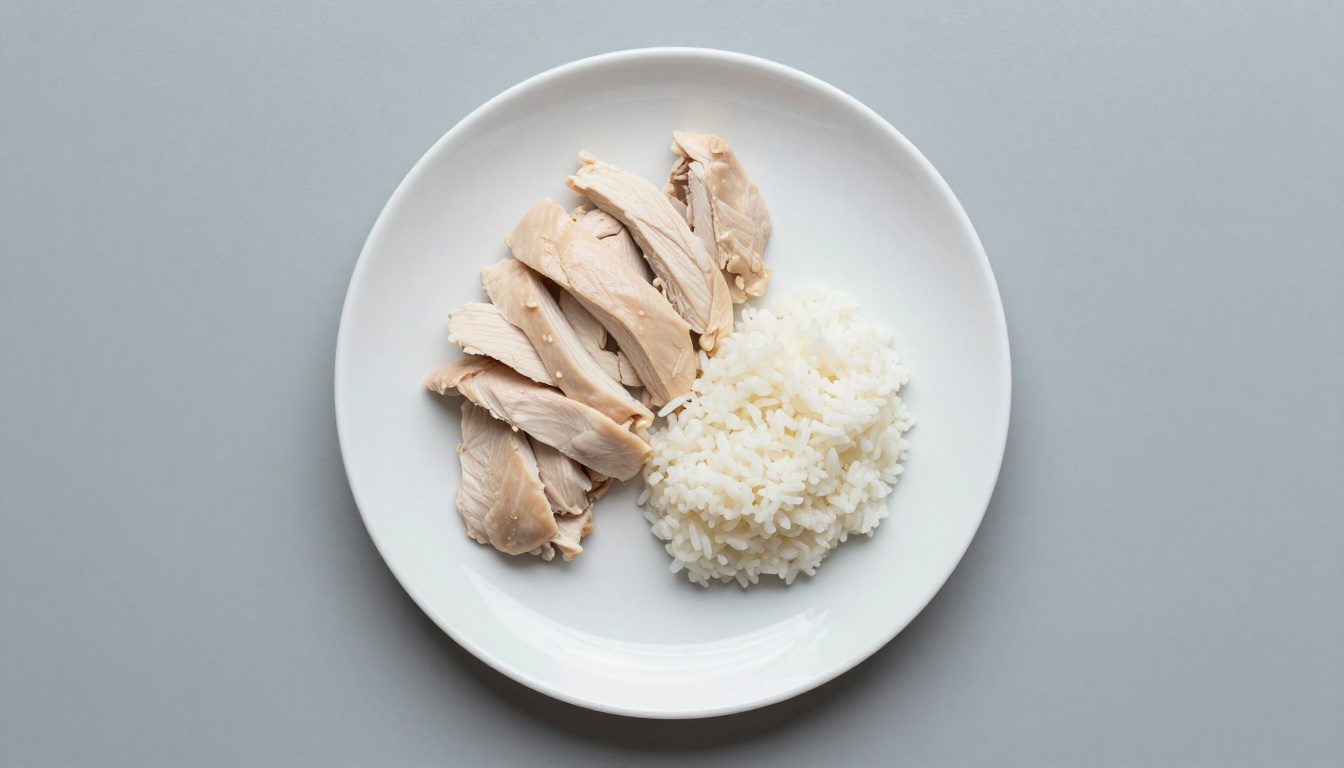
Grab easy sources like eggs for breakfast or Greek yogurt as a snack. Lean chicken breasts grill fast for lunch. Canned tuna mixes into salads without fuss.
Why does it matter? High protein cuts cravings by 60%, studies show. You’ll eat less overall. Build every easy meal around it – think turkey stir-fry with greens. Your body thanks you with steady energy.
Smart Carbohydrates: Choosing Fiber-Rich, Low-Glycemic Options
Not all carbs are bad. Refined ones like white bread spike blood sugar. Swap them for fiber-packed choices that release energy slow.
Go for oats in the morning or sweet potatoes at dinner. Lentils add bulk to soups. Veggies like broccoli fill plates without many calories.
These picks keep you even-keeled. No more sugar crashes. Try brown rice over white – it cooks the same but sustains you longer. Fiber also aids digestion, a bonus for weight loss.
Healthy Fats: Essential for Hormone Health and Fullness
Fats get a bad rap, but you need them. They support hormones and make meals tasty. Just watch portions – a tablespoon packs 120 calories.
Add avocado slices to toast or a handful of almonds for crunch. Olive oil dresses salads light. Nuts like walnuts bring omega-3s for heart health.
Balance is key. A quarter avocado per meal adds creaminess without overload. You’ll feel full faster. In your 16-week plan, fats round out easy meals perfectly.
Section 3: The “Easy Meal” Blueprint: Simple Preparation Strategies (Weeks 5-10)
Batch Cooking Fundamentals: Setting Up Your Week in Two Hours
Meal prep saves time and sanity. Spend two hours on Sunday roasting veggies and proteins. One sheet pan holds broccoli, carrots, and zucchini with a drizzle of oil.
Cook a pot of quinoa or farro too. It reheats well for sides. Grill eight chicken breasts – slice for salads or wraps all week.
This cuts daily stress. No more “what’s for dinner?” panic. Label containers by day. Your easy weight loss meals stay fresh and deficit-friendly.
Five-Ingredient Dinners: Recipes Built for Speed
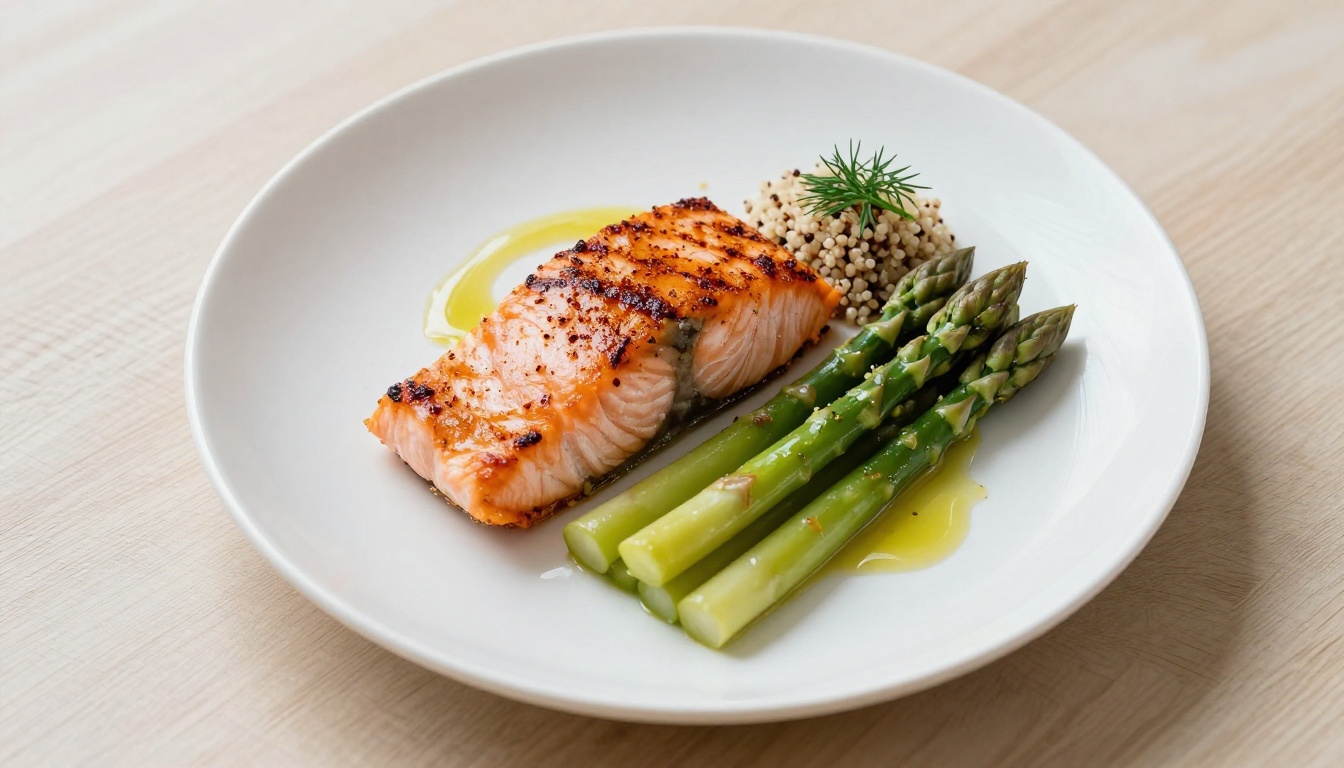
Keep it simple with five items max. Under 30 minutes, these hit the spot. Try baked salmon with spinach, garlic, lemon, and a dash of herbs. Season, wrap in foil, bake at 400 degrees for 20 minutes.
Or stir-fried tofu with bell peppers, onions, soy sauce, and ginger. Heat oil, toss in, done. Protein leads, veggies fill.
These meals pack nutrition without hassle. Rotate flavors to avoid boredom. You’ll drop pounds while enjoying home cooking.
- Quick tip: Always start with protein for balance.
- Pro move: Use frozen veggies if fresh runs out.
Effortless Lunch Solutions: Avoiding Midday Decision Fatigue
Leftovers shine for lunch. That grilled chicken from dinner? Pair with prepped quinoa and a side salad. Packs in five minutes.
Build big salads with canned chickpeas, cherry tomatoes, cucumber, and feta. Dress with vinegar. Frozen berries top yogurt for sweet options.
Stock cans and frozen goods. They last and save chopping time. No excuses for takeout. Stay on track for your 20-pound goal.
Section 4: Navigating Common Hurdles and Maintaining Momentum (Weeks 11-14)
Managing Cravings with Strategic Snacking
Cravings hit hard mid-plan. Plan snacks to fight them. An apple with one tablespoon peanut butter clocks 200 calories but curbs sweet tooths.
Cottage cheese with cherry tomatoes adds protein punch. Greek yogurt swirled with cinnamon satisfies without sugar. Keep portions small.
Drink water first – thirst mimics hunger often. These bridges keep you under deficit. Cravings fade as habits stick.
Eating Out Gracefully: Strategies for Restaurant Success
Dining out doesn’t derail you. Check menus online ahead. Pick grilled fish over fried, steamed veggies on the side.
Ask for dressings separate. Split plates with a friend to control amounts. Skip bread baskets – sip water instead.
Focus on lean proteins and greens. One treat meal weekly fits. You’ll enjoy without guilt, staying light toward 20 pounds.
Troubleshooting Plateaus: Adjusting Calories or Increasing NEAT
Plateaus feel frustrating around week 12. Your body adapts. Cut 100 calories temporarily, like smaller nut portions.
Boost NEAT – non-exercise burn. Park farther, take stairs. Add 2,000 steps daily. It adds up without sweat.
Track sleep and stress too. Rest helps. Tweak gently; progress resumes. You’ve come far – keep pushing.
Section 5: Integrating Movement Without Overtraining (The Exercise Component)
The Power of Daily Steps: Maximizing NEAT for Calorie Burn
Diet drives loss, but steps amp it. Aim for 8,000 to 10,000 daily. Walk after meals or during calls.
A 30-minute stroll burns 150 calories easy. It fits busy days. Track with your phone – gamify it.
This NEAT boosts mood too. No gym needed. Pair with easy meals for faster 20-pound results.
Building Lean Mass with Simple Strength Training (Twice Weekly)
Strength builds twice a week. Use bodyweight: squats, push-ups, planks. 20 minutes total.
Or grab dumbbells for rows and lunges. Full body hits all areas. Rest between sets.
Muscle raises metabolism. You’ll burn more at rest. Keep it light to avoid burnout in 16 weeks.
Active Recovery: Making Movement Enjoyable
Rest days need light action. Stretch for 10 minutes or yoga flow. Walk the dog slowly.
This aids muscle repair. Listen to podcasts while moving. Fun keeps you consistent.
Over 16 weeks, enjoyment prevents quit. Movement becomes habit, not chore.
Conclusion: Sustaining Your 20-Pound Victory Beyond Week 16
You’ve got the tools: a steady deficit, protein-packed easy meals, and smart prep. Batch cooking and simple swaps make it stick. Add steps and strength for extra edge.
These 16 weeks build lasting change. No rebound if you ease up. Cut the deficit in half for maintenance – say 300 calories less daily.
Keep the meal blueprint. Track wins monthly. Celebrate your lighter self. Start now; that 20 pounds waits. What’s your first easy meal tonight?