


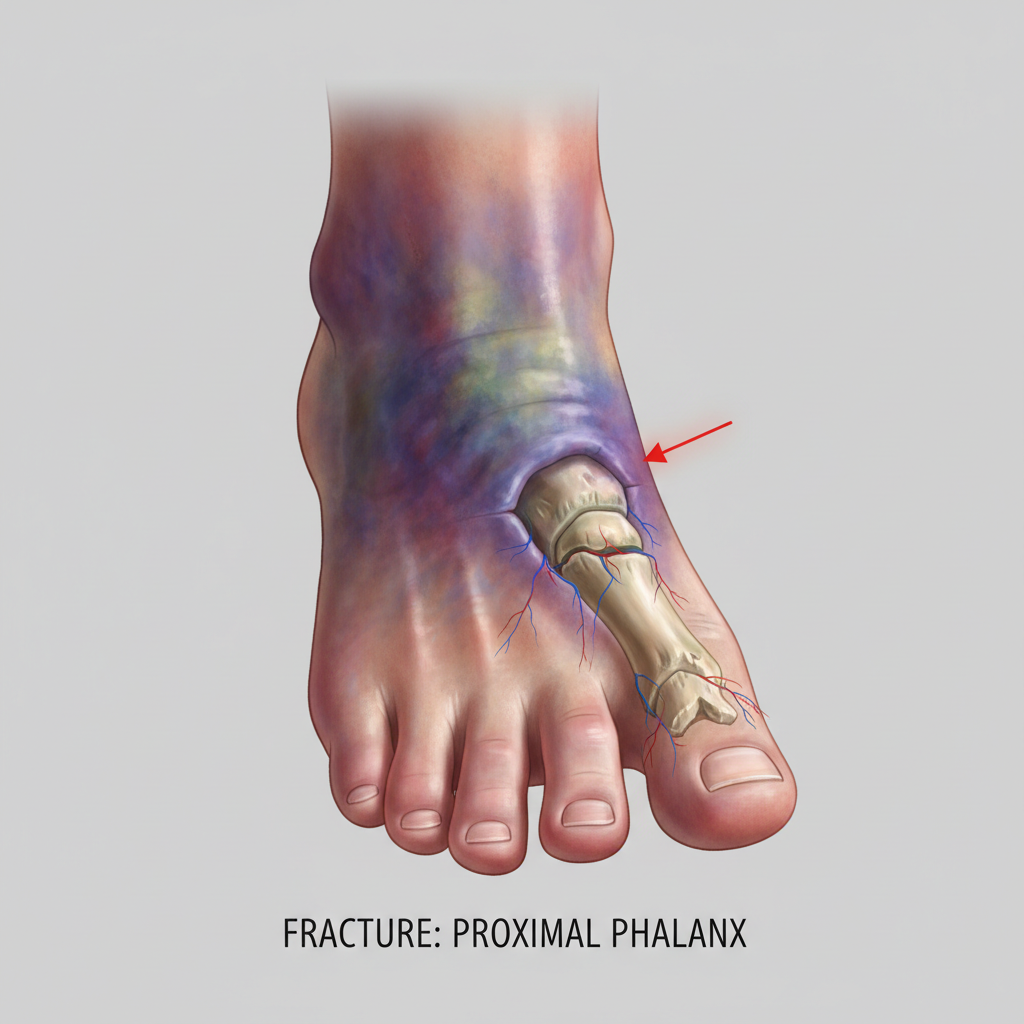
Introduction to Broken Pinky Toe
That sharp, throbbing pain shooting through your smallest toe after stubbing it against furniture could signal more than just a minor bump. A broken pinky toe ranks among the most common foot injuries, affecting up to 20% of all foot fractures, yet it’s frequently dismissed as “just a stubbed toe.”
Understanding what to do for broken pinky toe injuries becomes crucial when that initial pain persists or worsens over hours. The pinky toe’s vulnerable position and delicate bone structure make it particularly susceptible to fractures from everyday accidents.
Before exploring treatment options, you’ll need to properly assess your situation and gather the right tools for effective care.
Prerequisites and What You’ll Need
Before attempting to assess or manage a suspected pinky toe fracture, gather essential supplies and prepare your evaluation space. You’ll need a clean, well-lit area with adequate seating to examine your foot comfortably without straining.
Essential items include ice packs or frozen vegetables wrapped in a thin towel, over-the-counter pain medication like ibuprofen or acetaminophen, and clean gauze or soft cloth for padding. Keep buddy-taping supplies handy—medical tape and small gauze pads will prove invaluable if stabilization becomes necessary. Most importantly, have contact information readily available for your healthcare provider, urgent care facility, or emergency room. Toe fractures affect approximately 9% of all fracture cases, making professional medical evaluation crucial for proper healing and preventing long-term complications.
This preparation ensures you’re ready to take appropriate action once you’ve identified the telltale signs of injury.
Step 1: Recognizing the Symptoms of a Broken Pinky Toe
Identifying a broken little toe requires careful observation of specific warning signs that distinguish fractures from simple bruising. The most immediate symptom is severe, persistent pain that intensifies with movement or pressure, often accompanied by visible swelling within the first hour of injury.
Look for telltale signs including discoloration that progresses beyond normal bruising patterns, difficulty bearing weight on the affected foot, and any visible deformity where the toe appears bent or positioned unnaturally. Broken toe symptoms can vary significantly, but hearing a “crack” or “pop” at the time of injury strongly suggests bone damage. Key symptom checklist: immediate sharp pain, rapid swelling, inability to move the toe normally, and tenderness extending beyond the impact site. These indicators help differentiate between soft tissue injury and actual bone fracture, setting the stage for proper assessment techniques.
How to Know if Your Toe is Broken or Just Bruised
Distinguishing between a fractured pinky toe and severe bruising requires examining specific diagnostic markers that go beyond surface-level symptoms. While both injuries cause pain and discoloration, fractures typically produce sharper, more localized pain that worsens with movement or pressure.
The key differentiator lies in functional impairment. A bruised toe maintains most of its mobility despite discomfort, whereas a broken toe often cannot bear weight properly. Broken pinky toe symptoms include inability to move the toe normally, persistent throbbing pain, and visible deformity or abnormal positioning.
Grating sensations (crepitus) when moving the toe indicate bone fragments rubbing together—a clear fracture sign. Additionally, bruising that extends beyond the immediate injury site and travels up the foot suggests internal bleeding from bone damage rather than superficial trauma.
This assessment provides the foundation for determining whether professional medical intervention becomes necessary for proper healing and long-term toe function.
Will They Do Anything for a Broken Pinky Toe?
Many people wonder whether medical professionals actually treat pinky toe break injuries, given their small size and perceived minor nature. The answer depends entirely on the type and severity of the fracture you’re dealing with.
For simple, non-displaced fractures, treatment typically involves buddy taping the injured toe to an adjacent toe and wearing supportive footwear. However, more complex breaks require active intervention. Displaced fractures, where bone fragments have shifted out of alignment, often need surgical correction to prevent permanent deformity and chronic pain.
Medical professionals take toe fractures seriously because untreated complications can lead to arthritis, chronic pain, and walking difficulties. Research indicates that approximately 10% of all fractures occur in the feet and toes, making proper treatment protocols well-established in emergency medicine.
Once you’ve identified a potential fracture using the symptoms we’ve covered, taking immediate action becomes your next priority.
Step 2: Immediate Actions to Take
When you suspect a broken pinky toe, taking swift action can significantly impact your recovery timeline and prevent complications. The first priority is protecting the injured area from further trauma while controlling pain and swelling.
Immediately remove any restrictive footwear and jewelry before swelling worsens. Apply ice wrapped in a thin cloth for 15-20 minute intervals, avoiding direct skin contact to prevent frostbite. Elevate your foot above heart level when sitting or lying down to reduce blood flow to the injury site.
For fifth metatarsal fractures or severe displacement, seek emergency medical attention rather than attempting self-treatment. Toe and metatarsal fractures require professional assessment to determine appropriate intervention levels.
These immediate steps create optimal conditions for healing while preparing you for the self-care techniques that follow.
Common Patterns in Self-Care
Most people follow predictable patterns when managing a suspected broken pinky toe at home. The initial response typically involves toe swelling management through ice application and elevation, which remains the cornerstone of early self-treatment. However, common mistakes emerge when individuals assume all fractures heal the same way or attempt to “walk it off” too quickly.
A practical approach involves monitoring daily progress rather than expecting immediate improvement. Broken toe complications can develop when self-care becomes overly aggressive or neglects proper immobilization techniques. The key is recognizing when home treatment reaches its limits.
Step 3: Seeking Professional Medical Help
When self-care measures fail to provide relief or toe pain persists beyond 48-72 hours, professional medical evaluation becomes essential. A healthcare provider can perform X-rays to confirm fracture severity and rule out complications like displacement or joint involvement.
Foot Health Facts emphasizes that proper medical assessment prevents long-term complications such as arthritis or permanent deformity. Healthcare professionals can also determine if surgical intervention is necessary for severe fractures that won’t heal properly with conservative treatment alone.
The transition from home care to professional treatment often marks the difference between complete recovery and chronic issues that could affect your mobility for years to come.
Is a Broken Pinky Toe Worth Seeing a Doctor?
The decision to seek medical care depends on several key factors. Severe bruising toe symptoms accompanied by visible deformity, inability to bear weight, or numbness warrant immediate professional evaluation. According to Foot Health Facts, complications from untreated fractures can lead to chronic pain and permanent deformity.
However, simple fractures without displacement often heal well with proper home care when symptoms remain manageable and improvement occurs within 48-72 hours. The key distinction lies in recognizing when conservative treatment isn’t sufficient—persistent severe pain, worsening swelling, or signs of infection signal the need for professional intervention to ensure proper healing and prevent long-term complications.
Step 4: Managing Recovery and Rehabilitation
Once initial broken pinky toe symptoms have been addressed through proper medical care, the focus shifts to strategic recovery management. The healing process typically spans 4-6 weeks for simple fractures, requiring careful attention to activity modification and gradual reintroduction of normal movement.
Recovery success hinges on maintaining immobilization during the critical first two weeks while monitoring for complications. Foot Health Facts emphasizes that premature weight-bearing can significantly delay healing and increase the risk of permanent deformity.
Progressive rehabilitation begins with gentle range-of-motion exercises once initial swelling subsides, followed by strengthening activities as bone healing progresses. However, even well-managed recoveries can be derailed by common oversight errors that many patients unknowingly make during the healing process.
Common Mistakes During Recovery
Recovery pitfalls can significantly delay healing and increase complications. The most frequent error involves premature return to normal activities, particularly high-impact sports or prolonged standing. Many patients underestimate the importance of proper immobilization, removing protective footwear or buddy taping too early in the healing process.
Another critical mistake involves ignoring signs of complications during treatment for broken pinky toe. Persistent swelling beyond two weeks or increasing pain requires immediate medical attention. Patients often assume these symptoms are normal parts of healing rather than potential indicators of infection or improper bone alignment.
Self-medication with inappropriate pain relievers can also hinder recovery, as certain medications may interfere with bone healing processes.
Limitations and Considerations
While proper treatment significantly improves outcomes for broken pinky toes, several important limitations affect recovery success. Learning how to tape broken pinky toe injuries provides temporary support, but taping cannot substitute for professional medical evaluation when displacement or severe fractures are present.
Self-treatment approaches have clear boundaries. According to Foot Health Facts, complications like chronic pain or arthritis can develop when fractures heal improperly. Additionally, underlying conditions such as diabetes or circulation problems require modified treatment protocols that only healthcare providers can safely implement.
Recovery timelines vary significantly based on individual factors including age, overall health, fracture severity, and making universal predictions unreliable for treatment planning.
Key Takeaways
Understanding how to know if toe is broken empowers you to seek appropriate care when injury strikes. Persistent pain, visible deformity, inability to bear weight, and severe swelling signal the need for immediate medical evaluation. While minor fractures often heal with conservative treatment, proper taping techniques and activity modifications prevent complications that could affect long-term foot function.
The difference between a sprain and fracture isn’t always obvious, making professional assessment crucial for suspected breaks. Early intervention within 24-48 hours optimizes healing outcomes and reduces the risk of permanent complications like chronic pain or arthritis.
Take pinky toe injuries seriously—your future mobility depends on proper initial care.