

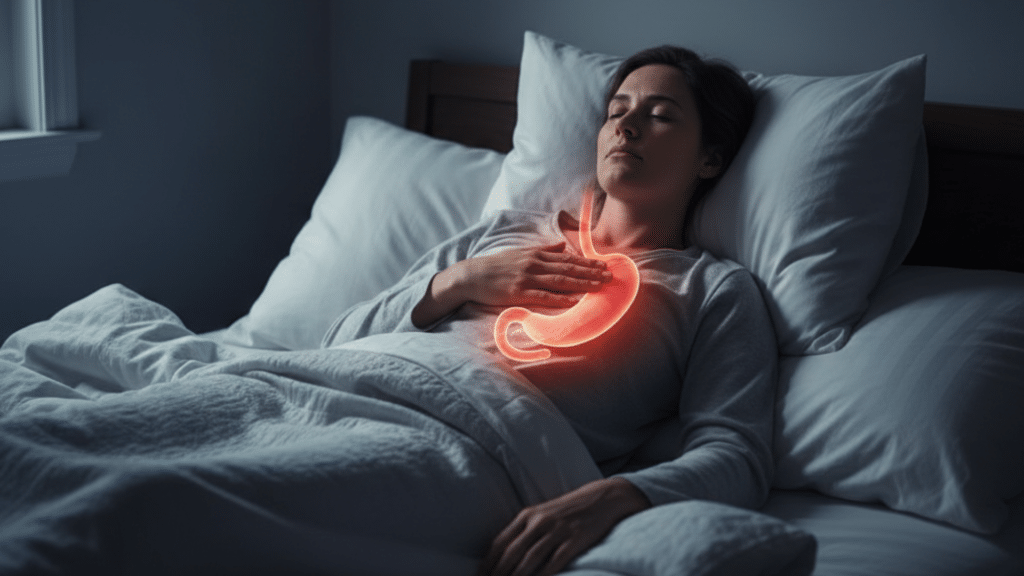
Acid reflux is a common condition that often disrupts daily life. But what happens when it strikes while you’re sound asleep? Many people wonder: can you die from acid reflux in your sleep? While the thought may seem alarming, understanding the risks and management strategies can help ease those fears. This blog delves into the intricacies of nighttime gastroesophageal reflux disease (GERD), its causes, symptoms, and even its connection to sleep apnea. Let’s uncover how to safeguard your health during those crucial hours of rest.
Management of Nighttime Gastroesophageal Reflux Disease
Managing nighttime gastroesophageal reflux disease (GERD) involves a multifaceted approach. Elevating the head of your bed can help, allowing gravity to keep stomach acid in check.
Additionally, lifestyle changes play a crucial role. Avoiding heavy meals before bedtime and steering clear of trigger foods can significantly reduce symptoms. Medications may also be prescribed by healthcare providers to control acid production and soothe the esophagus, ensuring more restful sleep while minimizing discomfort during the night.
William C Orr , PhD
William C. Orr, PhD, is a respected figure in the field of gastroenterology. His research primarily focuses on understanding and managing gastrointestinal disorders, particularly gastroesophageal reflux disease (GERD).
Dr. Orr’s contributions have advanced knowledge around acid reflux and its impact on sleep health. His insights are invaluable for patients and practitioners alike seeking effective treatments for this common yet often overlooked condition.
Similar articles
Exploring the topic of acid reflux can lead to a wealth of information. Various articles delve into its effects on sleep, highlighting how it impacts daily life and health.
Many resources also discuss management strategies and lifestyle changes that can alleviate symptoms. From dietary adjustments to sleep position recommendations, understanding these aspects is crucial for those affected by nighttime gastroesophageal reflux disease.
Cited by other articles
Research on acid reflux and its impact during sleep has been cited in numerous medical articles. These citations help to validate findings and provide a broader context for understanding risks associated with nighttime gastroesophageal reflux disease (GERD).
Many studies explore the relationship between acid reflux and sleep disturbances, linking symptoms to complications such as aspiration pneumonia or worsening of existing conditions. This interconnectivity underscores the importance of awareness regarding nighttime episodes and their potential consequences on overall health.
Links to NCBI Databases
The National Center for Biotechnology Information (NCBI) offers a wealth of resources related to acid reflux and sleep disorders. Their databases provide access to peer-reviewed studies, clinical trials, and articles that explore the connections between these conditions.
Navigating NCBI can enhance your understanding of how acid reflux might impact sleep quality. It’s an excellent starting point for anyone looking to research symptoms, treatments, and long-term effects associated with gastroesophageal reflux disease (GERD).
What Causes Acid Reflux at Night?
Acid reflux at night is often triggered by factors like overeating, lying down too soon after a meal, and certain foods. High-fat meals, spicy dishes, or caffeine can increase stomach acid production, leading to discomfort.
Additionally, weight gain and pregnancy put pressure on the abdomen. This pressure can push stomach contents back into the esophagus when you lie flat. Smoking and alcohol consumption also contribute to nighttime acid reflux episodes by relaxing the lower esophageal sphincter.
Symptoms of Acid Reflux
Acid reflux presents a variety of symptoms that can disrupt daily life. The most common signs include heartburn, which feels like a burning sensation in the chest, and regurgitation, where stomach contents flow back into the throat.
Other symptoms may involve difficulty swallowing, chronic cough, or even hoarseness. Some people experience a sour taste in their mouth or feel bloated after eating. Recognizing these symptoms early is crucial for managing the condition effectively.
What is Sleep Apnoea?
Sleep apnoea is a serious sleep disorder where breathing repeatedly stops and starts. This interruption can last for a few seconds to minutes, often leading to fragmented sleep and daytime fatigue.
There are different types of sleep apnoea, with obstructive sleep apnoea being the most common. It occurs when throat muscles relax excessively during sleep, blocking the airway. Central sleep apnoea happens when the brain fails to signal muscles that control breathing while you’re asleep.
The Link Between Acid Reflux and Sleep Apnoea
Acid reflux and sleep apnoea often coexist, creating a cycle of discomfort. When acid from the stomach backs up into the esophagus, it can trigger or worsen breathing issues during sleep. This makes restful nights elusive for many.
The connection between these two conditions is complex. While sleep apnoea can increase abdominal pressure, leading to more frequent acid reflux episodes, untreated acid reflux may also contribute to airway inflammation. Understanding this relationship is essential for effective management and relief.
How Long Does Acid Reflux Last?
Acid reflux duration can vary significantly from person to person. For some, symptoms may last only a few minutes after eating, while others might experience discomfort for hours. The frequency and intensity of these episodes also play a role in how long they feel the effects.
Chronic acid reflux, or GERD, can lead to persistent symptoms that disrupt daily life and sleep. Managing triggers through lifestyle changes is essential for minimizing these uncomfortable experiences over time.
Sleep Apnoea Treatment
Treatment for sleep apnoea often starts with lifestyle changes. Weight loss, regular exercise, and avoiding alcohol can significantly improve symptoms. Simple adjustments like sleeping on your side may also help.
For more severe cases, a Continuous Positive Airway Pressure (CPAP) machine is commonly prescribed. This device keeps airways open during sleep by delivering a steady stream of air. Other options include oral appliances or surgery in certain situations, tailored to individual needs and severity of the condition.
Acid Reflux in Sleep
Acid reflux during sleep can be particularly troublesome. When lying down, stomach acid is more likely to flow back into the esophagus, leading to discomfort and disturbed rest. This nighttime experience often results in waking up with a sour taste or burning sensation in the throat.
Many people are unaware that their nighttime struggles could be linked to diet or lifestyle choices. Recognizing these patterns is essential for managing symptoms effectively and ensuring a better night’s sleep.
How to Prevent Acid Reflux While Sleeping
To prevent acid reflux while sleeping, elevate your head by using a wedge pillow. This position helps keep stomach acid from rising into the esophagus during sleep. A slight incline can make a significant difference.
Additionally, avoid heavy meals and trigger foods close to bedtime. Eating too late can increase the likelihood of nighttime symptoms. Aim for at least three hours between your last meal and when you lie down for the night to give your body time to digest properly.
Ten Worst Foods for Acid Reflux
Managing acid reflux is crucial for a good night’s sleep. Certain foods can exacerbate symptoms, making it essential to identify and avoid them. Here are ten of the worst offenders:
1. **Citrus Fruits**: Oranges and lemons trigger acidity.
2. **Tomatoes**: Their high acidity can lead to heartburn.
3. **Chocolate**: It relaxes the esophageal sphincter.
4. **Spicy Foods**: They irritate your stomach lining and throat.
5. **Fried Foods**: High fat content slows digestion, worsening reflux.
6. **Garlic & Onions**: These flavorful ingredients can cause discomfort for many.
7. **Mint**: While refreshing, mint can increase acid production.
8. **Carbonated Beverages**: Bubbles expand in your stomach, leading to pressure and reflux.
9. **Alcoholic Drinks**: They relax muscles that keep acids at bay while also increasing stomach acid production.
10. **Coffee & Caffeinated Beverages**: The caffeine stimulates acid secretion.
Being mindful of these foods may help reduce nighttime episodes of acid reflux, ultimately improving sleep quality and overall health management strategies related to this condition!