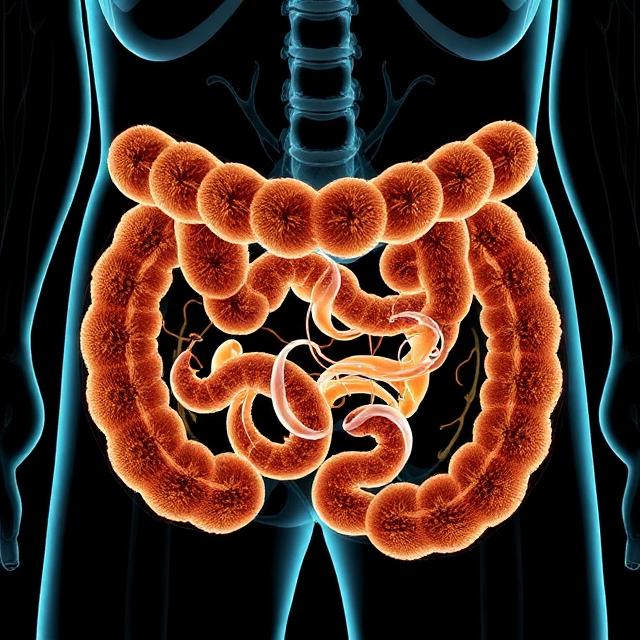


Starting a low residue diet can feel overwhelming at first. You might worry about bland tastes or hard-to-find ingredients. But this guide shows you easy low residue diet meals for beginners that keep things simple and tasty. A low residue diet, often called LRD, cuts down on foods that leave behind tough bits in your gut. These bits, or residue, come from things like fiber-rich veggies and whole grains. Doctors suggest it for reasons like prepping for a colonoscopy, handling IBD flare-ups, or recovering from gut surgery.
The aim here is to lighten the load on your digestive system. It helps reduce stool bulk and eases strain on your intestines. If you’re new to this, you’ll find relief in knowing you don’t have to sacrifice flavor. We focus on quick prep and everyday items you can grab from any store. Let’s dive into the basics so you can build your own low residue meals with confidence.
Introduction: Understanding the Low Residue Diet and Why It Matters
A low residue diet limits foods that create a lot of waste in your bowels. Residue means the parts of food your body can’t break down fully, like skins or seeds. This approach keeps stools softer and smaller, which matters during healing times.
Common needs include before bowel exams or when Crohn’s disease acts up. It also helps after operations on the gut. The goal stays clear: give your tract a break from hard work.
Many beginners struggle to pick meals that fit without getting boring. You want options that taste good and take little time. This post promises just that—straightforward ideas to make your start smooth.
Section 1: The Essential Building Blocks: Foods to Embrace and Avoid
Understanding “Residue” and Its Sources
Residue builds from foods your gut leaves behind. Think of it as the scraps that bulk up waste. High-residue items include seeds, nuts, and whole grains that resist digestion.
Raw veggies and chewy meats add to this pile too. They force your intestines to push harder. Spotting these helps you dodge trouble early.
Lists make it easy to remember. High-residue no-gos: popcorn kernels, bran cereals, and stringy celery. Tough cuts of steak or skin-on fruits join the list. Keep these out to stay on track.
Low-Residue Superstars: Your Safe Food List
Stick to foods that break down well. Refined white grains top the chart. White bread, pasta, and rice slide through with little fuss.
For fruits, go for juices without pulp. Strained apple or white grape work best. Veggies need peeling and cooking soft—think carrots boiled till mushy or potatoes without jackets.
Proteins should be tender and low-fat. Eggs, skinless chicken, and white fish fit right in. Bake or boil them plain for best results.
- Grains: White rice, refined cereals like cornflakes (no extras).
- Fruits: Canned peaches in juice (peeled, no chunks).
- Veggies: Zucchini steamed and pureed, green beans well-cooked.
- Proteins: Turkey slices (plain), tofu if soft.
These picks keep meals light yet filling.
Hidden Traps: Ingredients Beginners Often Overlook
Some foods sneak in residue without you noticing. Popcorn seems fun but leaves hulls behind. Coconut flakes or dried raisins pack fiber you can’t see.
High-fiber bars and cereals often hide bran. Legumes like beans cause gas from their skins. Always check labels for seeds in dressings or nuts in mixes.
Processed snacks trip up many newbies. Granola bars might list oats as whole. Opt for plain versions to avoid surprises. Reading packs twice saves headaches later.
Section 2: Low Residue Breakfast Strategies: Starting the Day Gently
Simple Starch Sources for Morning Fuel
Begin your day with gentle carbs. Cream of wheat cooks fast and digests easy. Use water or milk if you handle dairy.
White rice porridge offers another soft start. Skip the brown kind—stick to refined. Toast from white bread, dry and plain, adds crunch without bulk.
Prep stays simple: five minutes on the stove. No need for fancy tools. These bases set a calm tone for your gut.
Protein and Dairy Options for Breakfast
Add protein without strain. Scrambled eggs, whites only if yolks bother you, mix well. Cook them soft in a non-stick pan.
Yogurt counts if it’s plain and smooth—no berries inside. Cottage cheese works in small scoops. Pair it with a soft grain for balance.
Ground turkey, scrambled plain, blends into oats. Keep fats low to avoid issues. Test small amounts to see what sits right.
Dairy needs care if lactose hits hard. Pick lactose-free types. This keeps energy up without upset.
Quick & Easy Example Breakfast Plans
Try these fast ideas to kick off right. First, stir cream of wheat with water. Drizzle strained apple juice on top for sweet. It takes under ten minutes and fills you gently.
Second option: white toast with egg whites. Scramble the eggs plain. Spread nothing but a thin butter pat if okay. Ready in a flash.
Third: rice cereal with lactose-free milk. Choose refined flakes. Add a few drops of vanilla for taste. These keep mornings low-stress.
Each plan uses basics from your kitchen. Adjust as you learn your limits.
Section 3: Lunchtime Lifesavers: Simple & Satisfying Midday Meals
The Power of Smooth Soups and Broths
Soups shine for lunch on this diet. Strain them clear of bits. Chicken broth with thin noodles warms without weight.
Puree veggies like carrots after long boiling. Skip broccoli—it’s too gassy. A smooth potato soup, blended fine, comforts on tough days.
Cook ingredients soft first. Then blitz in a blender. This method cuts residue to near zero.
Add herbs like salt lightly. No chunky add-ins. You’ll feel full yet light after.
Easy Protein Pairings for Lunch
Proteins need to be soft for midday. Bake chicken breast till it shreds easy. Pull it apart fine for better breakdown.
White fish like tilapia poaches quick. Season with just lemon if you like. It flakes into meals without chew.
Ground beef, lean and boiled, works in small bits. Mix into broth for variety. Keep portions to three ounces max.
These choices pair well with grains. They boost nutrition without overload.
Low-Residue Sandwich Alternatives
Bread choices matter here. Use white slices for wraps. Fill with thin turkey and cream cheese—smooth spread only.
Open-faced on crackers that melt in mouth. Refined types like saltines hold turkey slices. No seeds on top.
If bread bloats, try mashed avocado on white toast. But peel it first. These swaps keep lunch fun and fitting.
Roll ups stay simple. Cut into small bites. Eat slow to aid your gut.
Section 4: Dinner Done Right: Flavorful, Low-Residue Plates
Perfectly Cooked, Peeled Vegetables
Veggies must lose their tough parts. Peel potatoes deep—no skin left. Boil till fork-tender, then mash plain.
Carrots steam soft and slice thin. Squash, seedless kinds, cooks to puree. Avoid green skins or cores.
This prep takes extra steps but pays off. Your body thanks the ease. Steam over boil if you want less water.
Season with butter sparingly. Salt draws out taste without spice rubs.
Lean Proteins: Simple Cooking Methods
Cook proteins gentle for night meals. Bake fish at low heat till moist. Poach turkey in broth for flavor.
Ground beef broils fine if lean. No grill marks—keep it smooth. Skip oil to stay low-fat.
These ways lock in juices without crust. Rest the meat after to soften more. Small tweaks make big differences.
Portions stay modest. Pair with sides for full plates.
Crafting a Complete Low-Residue Dinner Plate
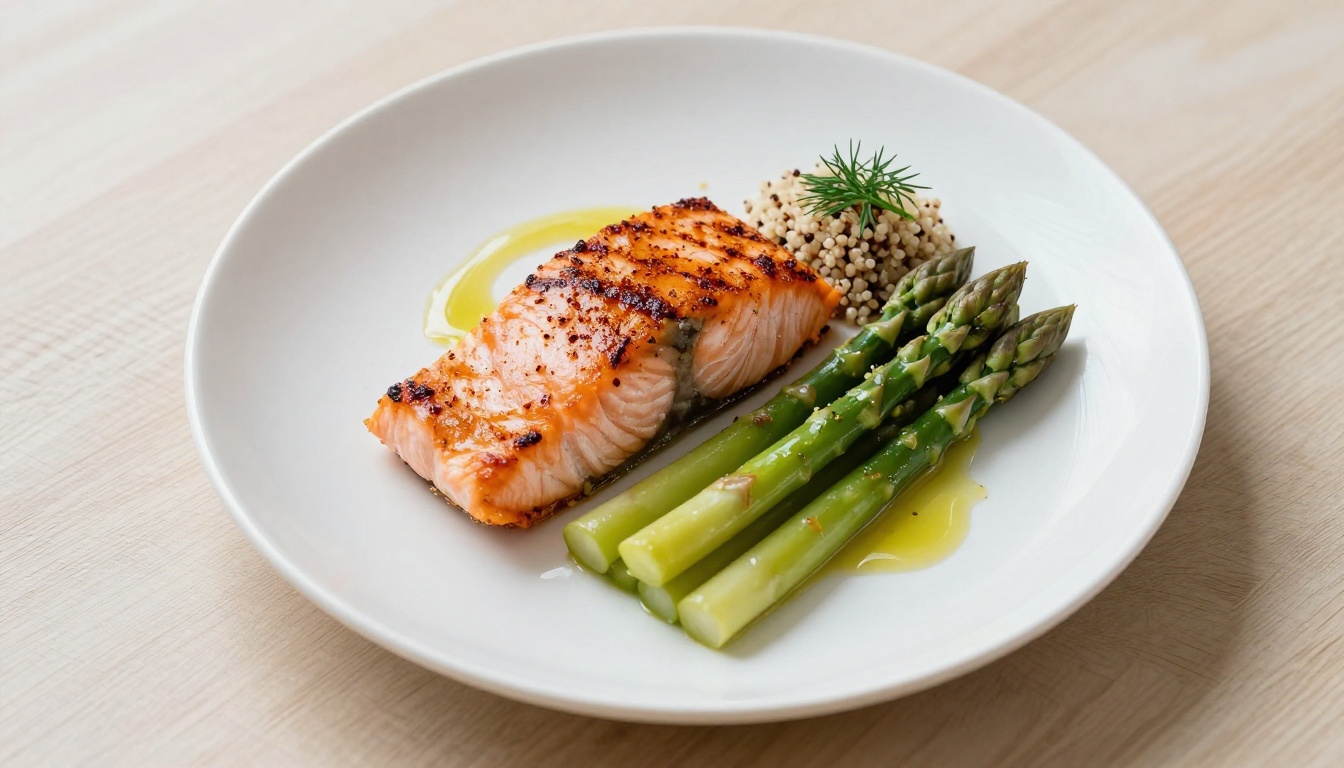
Build dinners around balance. Take baked cod, three ounces plain. Add mashed potatoes, one cup, skin-free.
Side with half-cup carrots, steamed and peeled. This combo hits carbs, protein, and a touch of veg. Total prep under thirty minutes.
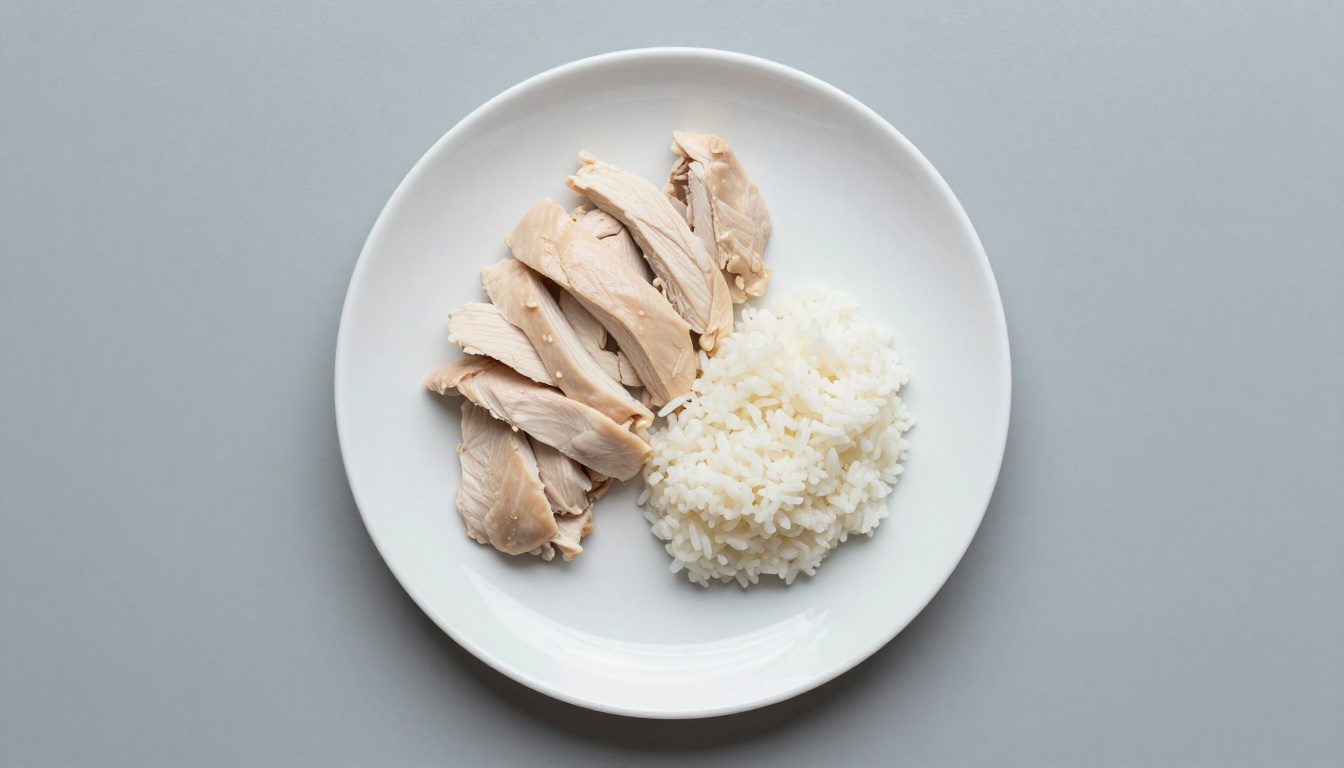
Another plate: poached turkey with white rice. Toss in pureed zucchini soft. Drizzle clear broth over all.
These templates guide you. Swap proteins as needed. Feel satisfied without regret.
Section 5: Hydration and Snacks: Staying Nourished Between Meals
Approved Beverages and Hydration Rules
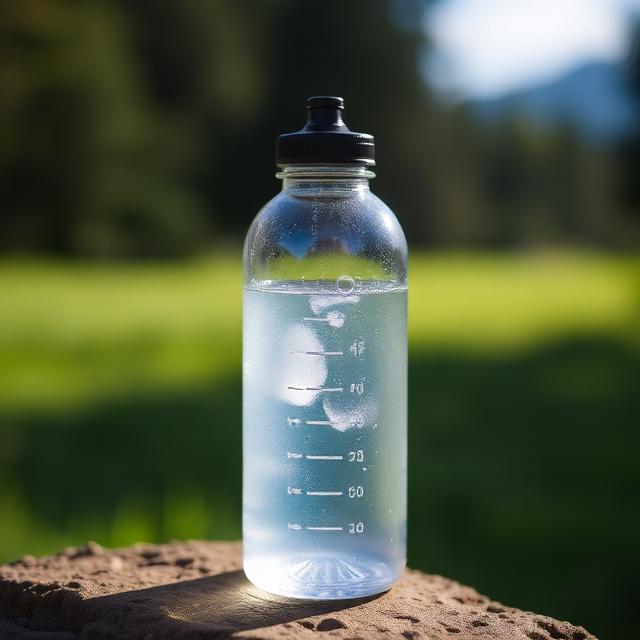
Water leads the drink list. Aim for eight glasses a day. Clear broths add savor without solids.
Pulp-free juices like apple keep it light. White grape fits too. Plain tea, hot or iced, soothes.
Skip fizzy drinks—they bubble up gas. No thick shakes with bits. Stick to clear to stay hydrated easy.
Sip steady through the day. This fights dry mouth from the diet.
Snacks That Won’t Cause Trouble
Snacks bridge hunger gaps. Plain saltines crunch light. A few with water works quick.
Applesauce, smooth and canned, satisfies sweet tooth. No chunks or peels. Gelatin cups wiggle without worry.
Rice cakes, white and plain, hold you over. Small bites prevent overload. Keep them handy for grabs.
Portions matter—handful max. These picks curb cravings safely.
Tips for Managing Hunger on a Restrictive Diet
Eat meals spaced even. Chew each bite slow and full. This helps your gut process better.
Track what works in a notebook. Some foods might shift as you heal. Start small with new tries.
If hunger hits hard, add a snack slot. Consult your doc for tweaks. Patience builds as you adjust.
These habits ease the path. You’ll find your rhythm soon.
Conclusion: Building Confidence on Your Low Residue Journey
A low residue diet thrives on refined grains, soft veggies, and tender proteins. Peel, cook well, and skip seeds to cut residue low. Easy low residue diet meals for beginners rely on these rules for success.
Remember, this plan often lasts short-term or in phases. It eases digestion during key times. Always chat with your doctor or a diet pro for tips that fit you.
You now have tools to start strong. Try one meal today and build from there. Your gut will thank you with less hassle. Stay simple, and confidence grows fast.