

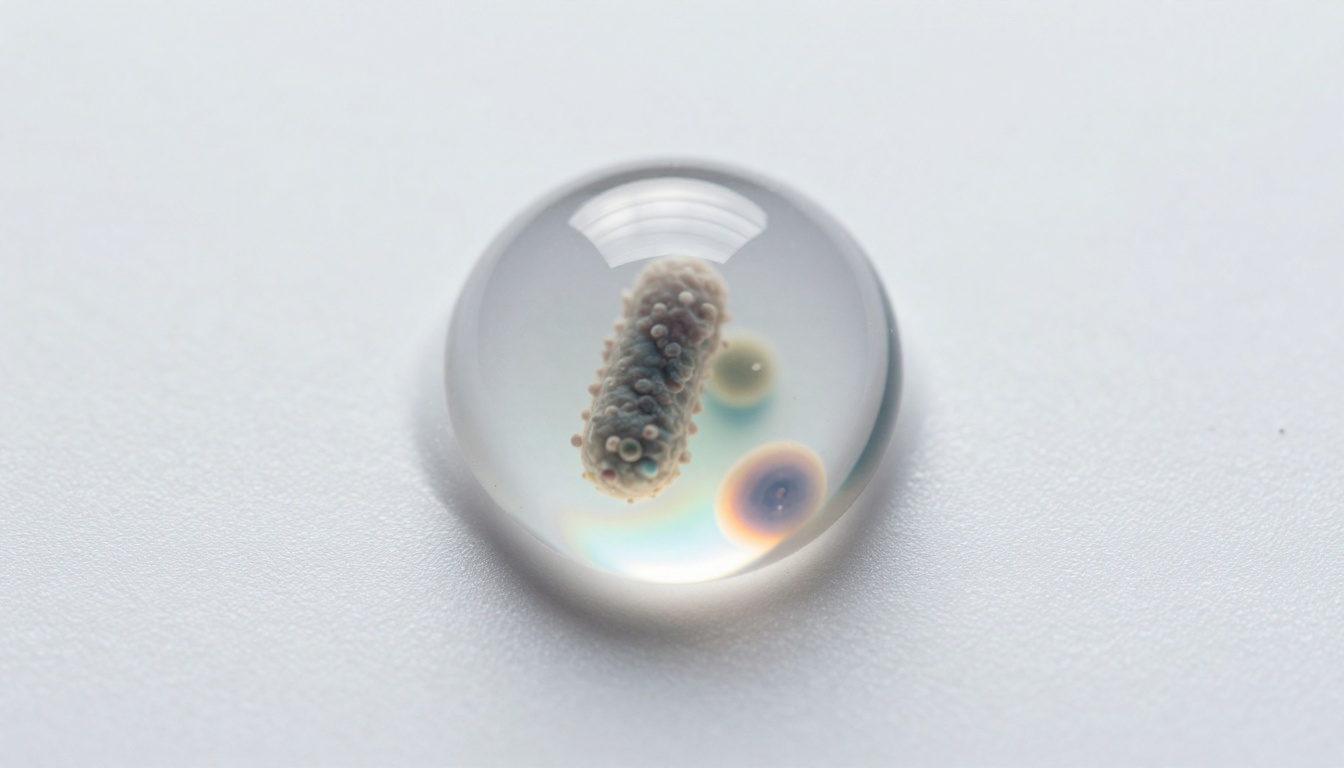
Every day, you touch hundreds of surfaces. Germs like bacteria, viruses, and fungi lurk there, ready to hitch a ride. They can make you sick fast if you let them. Skipping the germs starts with smart habits that keep you healthy all year.
This guide shows you real ways to fight back. We cover science-based tips to cut down on germ spread. You’ll learn about where germs hide, how to wash up right, and tricks to clean your space. By the end, you’ll have tools to stay strong against those tiny threats.
Germs travel in three main ways: touch, air, and surfaces. Touch happens when you grab a dirty handle. Air carries them in coughs or sneezes. Surfaces hold them until you wipe them away. Knowing these paths helps you block them.
Understanding the Germ Landscape: Where Pathogens Thrive
Germs love warm, moist spots. They stick to everyday items you use a lot. Think about your home or office—many places turn into germ hotspots without you noticing.
Bacteria grow fast on wet cloths. Viruses cling to hard surfaces. Fungi pop up in damp corners. All of them wait for a chance to infect you. Spotting these areas lets you act quickly to skip the germs.
High-Traffic Contamination Zones
Kitchens see tons of action. Sponges soak up bacteria from raw meat or dirty plates. Studies show that one sponge can hold more germs than a toilet seat. Remote controls get passed around, picking up skin oils and viruses.
Public spots like buses add risk. Poles and seats carry germs from many hands. A report from the CDC notes that door handles in offices test positive for flu bugs up to 24 hours. Even your phone screen hides E. coli from your pockets.
Bathrooms top the list, too. Faucet handles drip with fecal matter traces. Gym equipment sweats out staph bacteria. Check these zones daily. Wipe them down to cut the load.
The Human Vector: Airborne and Direct Transmission
People spread germs without knowing. A sneeze sends droplets flying up to six feet. Those tiny bits land on others or float in the air. Asymptomatic shedding means you can carry viruses without symptoms.
Close talks or hugs pass germs skin to skin. Kids in school share toys, boosting the spread. Crowds at events make it worse. One cough can infect a whole room if no one covers up.
Handshakes seal deals but also germs. In flu season, this ramps up. Wash after any close contact. It breaks the chain right away.
Identifying High-Risk Individuals and Situations
Not everyone fights germs the same. Folks with weak immune systems, like those on chemo, face bigger dangers. Elderly people or babies need extra care too. Their bodies struggle more against invaders.
Crowded places spike the risk. Think subways at rush hour or family gatherings. Cold months bring more viruses—flu peaks from December to February. Even in January 2026, with winter chill, stay alert.
Pregnant women or diabetics should double down. Travel to new areas adds unknown bugs. Watch for signs like fatigue. Boost your guard when you fit these groups.
The Power of Hand Hygiene: Your First Line of Defense
Hands touch everything. They carry germs to your face without you thinking. Good hygiene stops that trip. It’s simple but powerful—do it right, and you skip most infections.
The CDC says handwashing cuts illness by 20-30%. Soap breaks germ walls. Water rinses them off. Make it a habit after meals or outings.
Sanitizer helps when sinks aren’t nearby. Pick the right kind for the best results. Together, these keep your hands clean and ready.
Mastering the Handwashing Technique
Start with clean, running water. Warm works best, but any temp does. Wet your hands fully.
Add soap and lather up. Rub palms together hard. Get between fingers and under nails. Scrub the backs and wrists too.
Keep it going for 20 seconds. Sing “Happy Birthday” twice to time it. Rinse well under the stream. Dry with a fresh towel or air dryer.
The WHO backs this method. It kills 99% of germs if done right. Do it before eating or after using the bathroom. Your routine will feel natural soon.
Strategic Use of Hand Sanitizer
Use sanitizer when soap isn’t around. It works on clean hands but not greasy ones. Look for at least 60% alcohol to zap viruses.
Squeeze a dime-sized drop into your palm. Rub hands together, covering every spot. Thumbs, nails, and between fingers—don’t miss them.
Let it air dry for 20 seconds. No rinsing needed. Carry a small bottle in your bag or pocket.
It fights norovirus and flu bugs. But wash with soap when you can—it’s better for dirt. This combo keeps you covered everywhere.
Environmental Control: Cleaning and Disinfecting Your Space
Your surroundings matter. Germs build up on counters and floors. Clean them often to lower the count.
Cleaning wipes away grime. Disinfecting kills what’s left. Use both for a safe home.
EPA lists approved cleaners. They work fast on hard surfaces. Follow labels for safety.
Differentiating Between Cleaning and Disinfecting
Cleaning removes visible mess like dust or food bits. It uses soap and water. But germs can stay behind.
Disinfecting targets the bugs. Spray or wipe with bleach mix—one tablespoon per gallon of water. Let it sit five minutes.
Vinegar or hydrogen peroxide offers natural options. They cut bacteria without harsh smells. Test on small spots first.
Know the difference to save time. Clean first, then disinfect high-touch areas. Your space stays fresh and germ-free.
Routines for High-Touch Surfaces at Home
Make a daily list. Doorknobs get touched 20 times a day. Wipe them with a microfiber cloth and spray.
Light switches and fridge handles next. Phones hold more germs than a dog’s mouth—clean screens weekly. Keyboards collect crumbs; shake and wipe.
Set a timer for five minutes each evening. Use disposable wipes for ease. In one home, this cut sick days by half.
Toilet flushes spray germs. Clean the bowl rim too. Focus on what you touch most.
Workplace and Public Area Decontamination Strategies
Offices share keyboards full of staph. Wipe yours with alcohol pads daily. Break rooms have microwaves that trap viruses—clean the handles.
In shared spaces, use your own mug. Avoid communal pens. Quick spray on your desk keeps it yours.
On planes, tray tables hide who-knows-what. Pack wipes and clean before use. Buses? Sanitize the seat bar after sitting.
Hotels offer sprays at front desks. Ask for them. These steps let you control your spot.
Behavioral Adjustments for Reduced Exposure
Habits shape your germ fight. Small changes break spread cycles. You don’t need big shifts—just smart ones.
Avoid face touching. Germs enter through the eyes or the mouth. Keep your hands busy with pockets instead.
In groups, space out. It limits droplet reach. These tweaks add up fast.
Mastering the No-Touch Rule
Your T-zone—eyes, nose, mouth—loves germs. They slip in easily from dirty fingers. Notice how often you rub your eyes?
Train yourself to stop. Clasp hands or hold a tissue. In public, use your sleeve for itches.
Studies show face touches happen 23 times an hour. Cut that, and you dodge half the colds. Practice at home first.
It feels odd at the start. But soon, it’s second nature. You’ll skip the germs without effort.
Navigating Social Interactions Safely
Handshakes spread flu quickly. Wave or nod instead. People get it now, post-pandemic.
Hugs? Elbow bump or air kiss. Politely say, “I’d rather not risk it.” Most understand.
At parties, step back a bit. Keep chats short if someone’s sniffling. Respect space without awkwardness.
In 2026, distancing sticks around. Use it to stay safe. Your health comes first.
Respiratory Etiquette Essentials
Cough into your elbow, not your hands. It traps droplets better. Sneezes too—turn away.
After, wash up or sanitize. Tissues? Toss them right away. No reusing.
Teach kids this early. It stops chains in families. One covered cough saves a room.
Flu season hits hard. Mask up if needed. These basics protect everyone.
Fortifying Internal Defenses: Supporting Your Immune System
Dodging germs helps, but your body needs backup. A strong immune system catches what slips through. Eat well and rest to build it.
Avoidance pairs with health. Less stress means better fight. Balance both for top defense.
No magic pill exists. Simple steps boost your natural guard.
Nutrition as a Shield
Vitamins C and D fuel white blood cells. Oranges and sunlight give them. Eat colorful veggies daily.
Zinc in nuts helps too. Aim for balanced plates—no extremes. Whole foods beat supplements.
A study links fruit intake to fewer colds. Make it easy: add berries to yogurt. Your body thanks you.
Stay hydrated. Water flushes toxins. Skip soda for better immunity.
The Non-Negotiables: Sleep and Stress Management
Sleep seven to nine hours nightly. It repairs immune cells. Skimp, and viruses win easily.
Stress wears you down. Cortisol kills good fighters. Walk or breathe deeply to ease it.
Experts say chronic worry doubles infection risk. Journal or chat with friends. Find what calms you.
Pair this with germ skips. Rest fuels your efforts. Feel the difference soon.
Conclusion: Sustained Vigilance for Lasting Wellness
Skipping the germs boils down to three pillars: hand hygiene, environmental control, and behavioral adjustments. Wash often, clean smart, and act aware. These habits shield you from daily threats.
- Wash your hands for 20 seconds after touching surfaces—it’s your best start.
- Wipe high-touch spots daily with EPA-approved cleaners to clear germ hideouts.
- Avoid face touches and cover coughs to break the spread right away.
- Boost immunity with sleep, balanced eats, and low stress for extra strength.
Stick to these, and small wins add up. You’ll get sick less and feel great. Start today—grab that soap and make a plan. Your healthier life waits.
Read more for visit this: Click Here