

Diverticulitis is a common digestive condition that can significantly impact an individual’s quality of life, especially when it comes to bowel health. Characterized by the inflammation of small pouches that can develop in the walls of the colon, diverticulitis can lead to a range of digestive symptoms, including changes in stool consistency and frequency. Understanding what poop is like during episodes of diverticulitis is crucial for managing the condition and recognizing when to seek medical attention. This article delves into the characteristics of stool associated with diverticulitis, the symptoms to watch for, dietary considerations, and tips for long-term management to help individuals navigate life with this condition.
Understanding Diverticulitis
What is Diverticulitis?
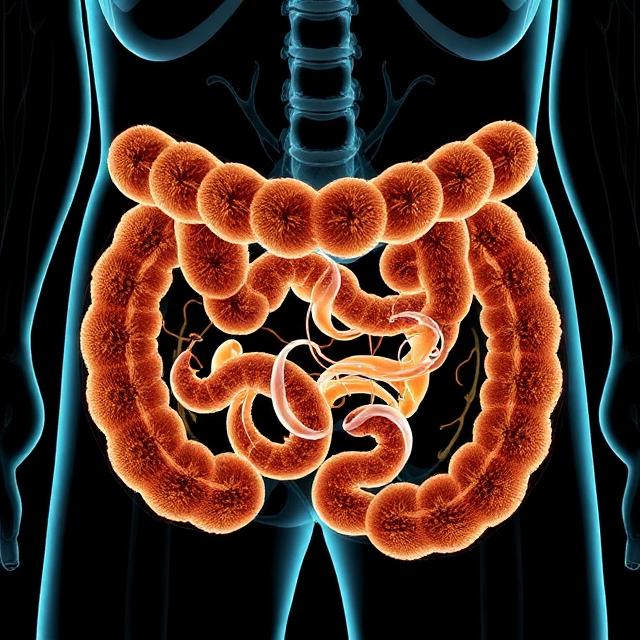
Diverticulitis is the inflammation or infection of small pouches called diverticula that can form in the walls of your colon. Think of these diverticula as tiny little pockets that are perfectly happy until they decide to throw a tantrum—then, oh boy, you’re in for a rough time! This condition can lead to some serious discomfort, and it’s often characterized by abdominal pain and changes in bowel habits.
Causes and Risk Factors
The exact cause of diverticulitis isn’t fully understood, but it’s often linked to a low-fiber diet, which leaves your digestive system working harder than a dog on a treadmill. Other risk factors include age (because who doesn’t love a good wrinkle?), obesity, inactivity, smoking, and a family history of the condition. Basically, if your colon is under stress, those little pouches might just decide to misbehave.
Symptoms of Diverticulitis
Common Symptoms
Symptoms can vary but typically include abdominal pain (often on the lower left side, where the colon likes to hang out), fever, chills, nausea, and changes in bowel habits—like suddenly needing to spend more time on the toilet than you’d like. You may also notice a bit of bloating and gas, making your tummy feel like a balloon at a birthday party.
Complications Associated with Diverticulitis
While many folks with diverticulitis recover without a hitch, complications can arise. These include abscess formation, which is like a surprise party for bacteria in your abdomen, and, in more severe cases, perforation of the colon. Let’s just say that when things go wrong in diverticulitis, it can lead to more serious issues like peritonitis, which sounds alarmingly similar to a villain in a superhero movie.
The Impact of Diverticulitis on Digestion
How Diverticulitis Affects Bowel Movements
Diverticulitis can lead to all sorts of bowel movement shenanigans. You might find yourself dealing with constipation or diarrhea, as your colon gets confused and decides to switch things up like a DJ at a dance party. The flare-ups can also cause urgency, so be prepared for those speedy dashes to the bathroom.
Changes in the Digestive Process
When diverticulitis strikes, your digestive process can feel like it’s hit a speed bump. Food might not digest as efficiently, leading to discomfort and disrupted absorption of nutrients. If your colon is having a rough day, your entire digestive system pays the price, which can leave you feeling sluggish and less than fabulous.
Characteristics of Stool with Diverticulitis
Normal vs. Abnormal Stool Appearance
Under normal circumstances, stool should be a lovely shade of brown and well-formed. However, with diverticulitis, things can get a bit dicey. You might notice changes such as watery, loose stools, or, conversely, hard, pellet-like stools that don’t want to budge. It’s like your poo decided to host its own chaotic art show—definitely not what we aim for.
What Changes to Expect During Flare-ups
During a flare-up, expect your stool’s appearance to resemble a masterpiece gone wrong! You could see more blood than usual, or just a general sense of confusion about what your body is trying to do. The pain from diverticulitis can make it tough to pass bowel movements, leading to straining, which is no fun at all. In these moments, remember to stay hydrated and consult your healthcare provider for advice on how best to manage your situation.
Dietary Considerations for Managing Diverticulitis
Foods to Include and Avoid
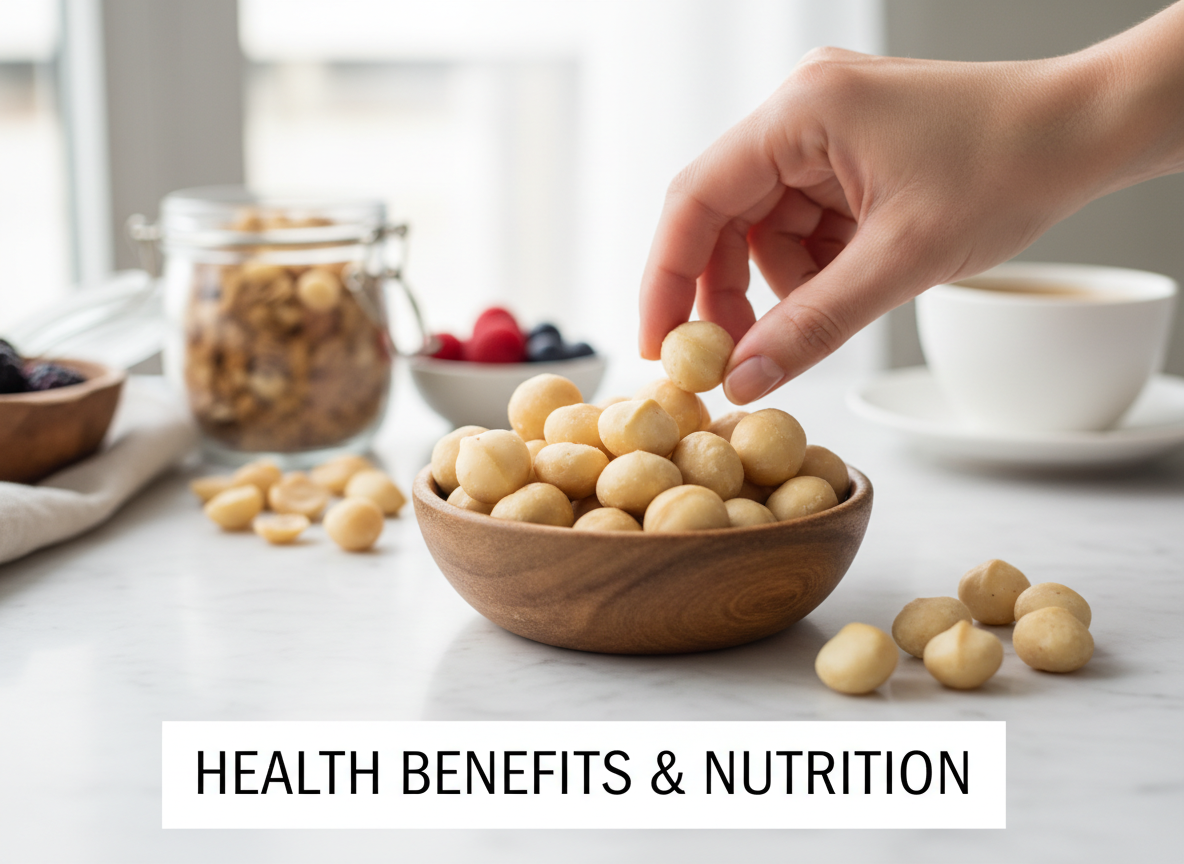
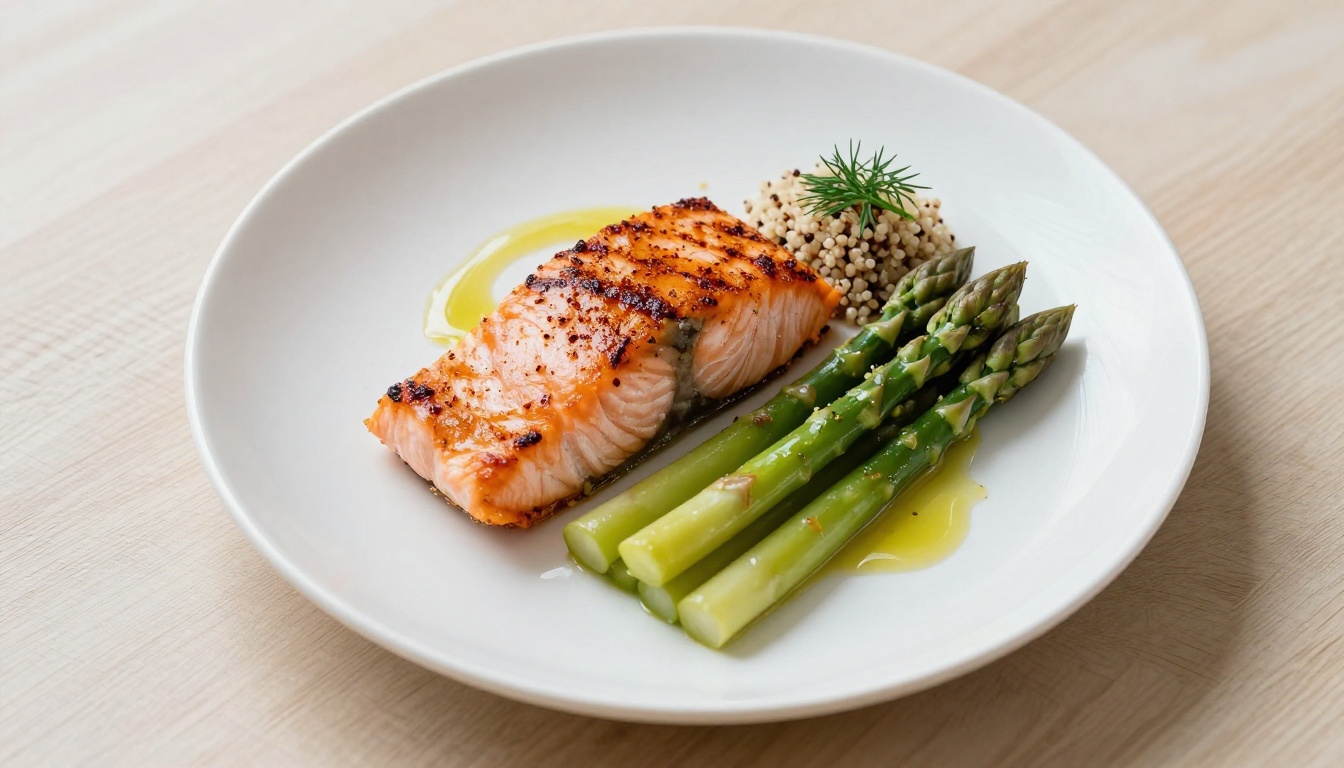
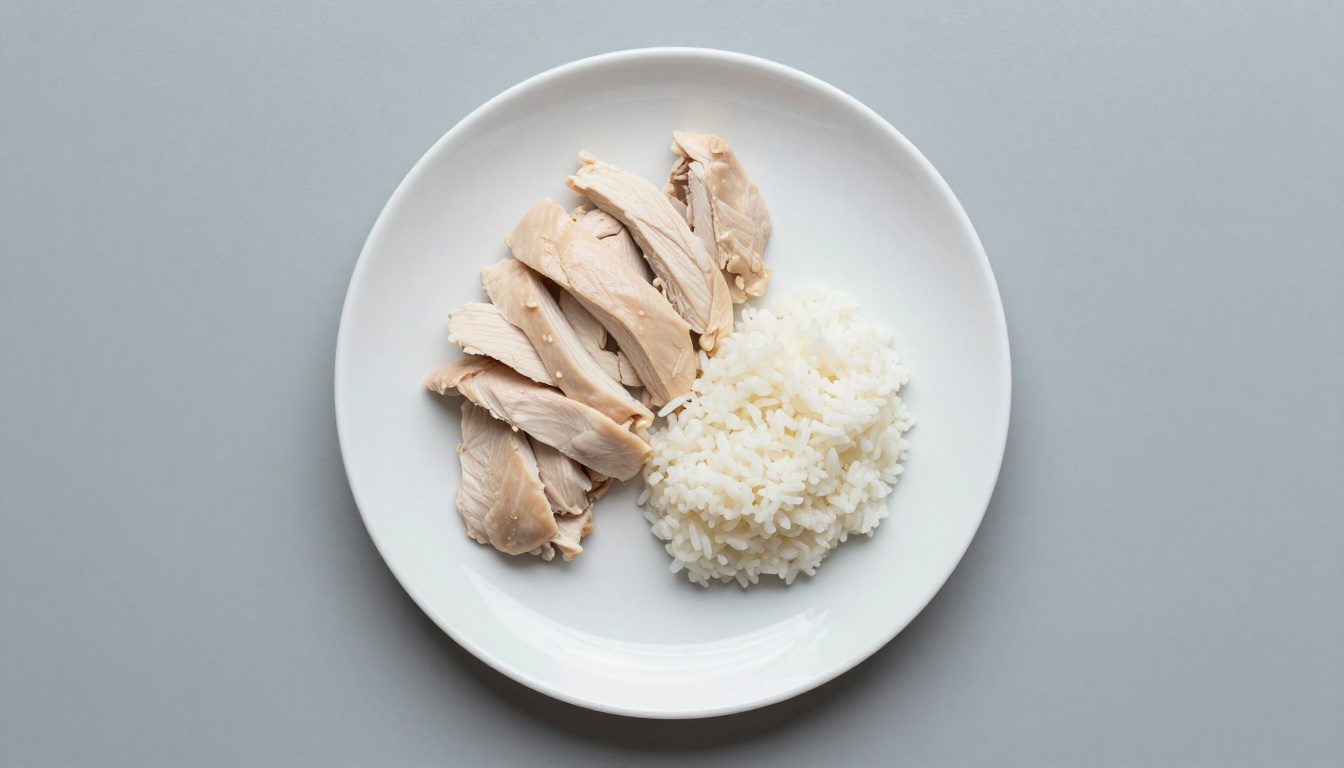
When you’re navigating the dietary landscape of diverticulitis, it’s a bit like playing food roulette—only with higher stakes. Aim to embrace high-fiber foods such as fruits, vegetables, and whole grains, which can help keep your digestive system happy. But watch out for those pesky seeds and nuts that were once your snacking buddies. While they don’t cause diverticulitis, they can be irritating during flare-ups. Instead, think soft and soothing: ripe bananas, cooked carrots, and oatmeal can be great allies.
The Role of Fiber in Digestive Health
Fiber is like a superhero for your gut, taking on the evil constipation villain and helping to keep everything moving smoothly. It adds bulk to your stool, making it easier to pass, which is crucial when you’re dealing with diverticulitis. A gradual increase in fiber intake is essential to avoid a dramatic digestive uproar—nobody wants to launch a surprise (and painful) trip to the bathroom. Aim for about 25 to 30 grams of fiber each day from natural sources. Just remember, with great fiber power comes great responsibility—stay hydrated!
When to Seek Medical Attention
Signs of Complications
While you might think you can tough it out, certain symptoms are your body’s way of waving a giant red flag. If you notice a sudden increase in abdominal pain, fever, or a drastic change in bowel habits, it’s time to check in with the doc. Any signs of bleeding from the rectum or an inability to keep food down should push you to the nearest clinic. Ignoring these signs is like riding a rollercoaster on a full stomach—unpleasant and risky!
Emergency Situations
Emergency situations related to diverticulitis are no joke. If you experience severe, persistent abdominal pain that feels like a punch in the gut, accompanied by fever and chills, it’s time to call for backup. Also, if you find yourself feeling faint or dizzy, or if you’re experiencing a significant change in your usual bathroom habits (you know, the “I need to see a doctor NOW” kind), don’t hesitate. Better safe than stuck in a bathroom stall!
Long-term Management and Lifestyle Changes
Maintaining a Healthy Diet
Keeping a healthy diet is essential for long-term management of diverticulitis. Think of it as crafting a food relationship that emphasizes quality over quantity. Focus on incorporating plenty of fruits and veggies, lean proteins, and whole grains while steering clear of processed foods that are often fiber-free zones. Meal prepping can save your sanity, too—it’s a great way to ensure you’ll always have something tummy-friendly ready to go.
Exercise and its Benefits
Exercise is not just a great way to escape doing laundry; it also works wonders for your digestive system. Regular physical activity can help keep your bowels moving and reduce the risk of flare-ups. Even a brisk walk could do wonders—just think of it as a free ticket to better gut health! Aim for at least 30 minutes of moderate exercise most days, and you’ll not only feel good but also improve your overall health.
Conclusion: Living with Diverticulitis
Summary of Key Points
Navigating life with diverticulitis doesn’t have to be a total bummer. By focusing on a high-fiber diet, being aware of your body’s signals, and embracing a healthy lifestyle with exercise, you can keep things in check. Remember to avoid trigger foods, stay hydrated, and don’t hesitate to seek medical advice when needed. Your gut will thank you!
Resources for Further Support
If you’re looking for support beyond this article (because we all need a little help sometimes), check out organizations like the American Gastroenterological Association or local support groups. They can provide valuable information, resources, and a community of fellow gut warriors. Remember, you’re not alone, and sharing tips and experiences can make managing diverticulitis a lot easier—and a bit more fun!In conclusion, living with diverticulitis requires awareness and proactive management of symptoms, including changes in bowel movements. By understanding the typical characteristics of stool and implementing dietary and lifestyle adjustments, individuals can better navigate their condition. Always consult with healthcare professionals for personalized advice and treatment options. With the right approach, it is possible to manage diverticulitis effectively and maintain a good quality of life.
Frequently Asked Questions (FAQ)
1. Can diverticulitis cause diarrhea or constipation?
Yes, diverticulitis can lead to both diarrhea and constipation. During flare-ups, individuals may experience diarrhea due to inflammation, while constipation can occur if there is a blockage or if dietary fiber intake is insufficient.
2. How does diet affect stool characteristics in diverticulitis?
Diet plays a crucial role in managing diverticulitis. A high-fiber diet can help maintain regular bowel movements and improve stool consistency, while low-fiber diets may exacerbate symptoms and lead to abnormal stool characteristics.
3. Are there specific foods that should be avoided with diverticulitis?
Yes, certain foods may trigger symptoms or exacerbate diverticulitis. These can include processed foods, seeds, nuts, and foods high in fat. It’s essential to consult with a healthcare professional for personalized dietary recommendations.
4. When should I seek medical attention for diverticulitis symptoms?
You should seek medical attention if you experience severe abdominal pain, high fever, persistent vomiting, or signs of bleeding, as these may indicate complications that require immediate care.